








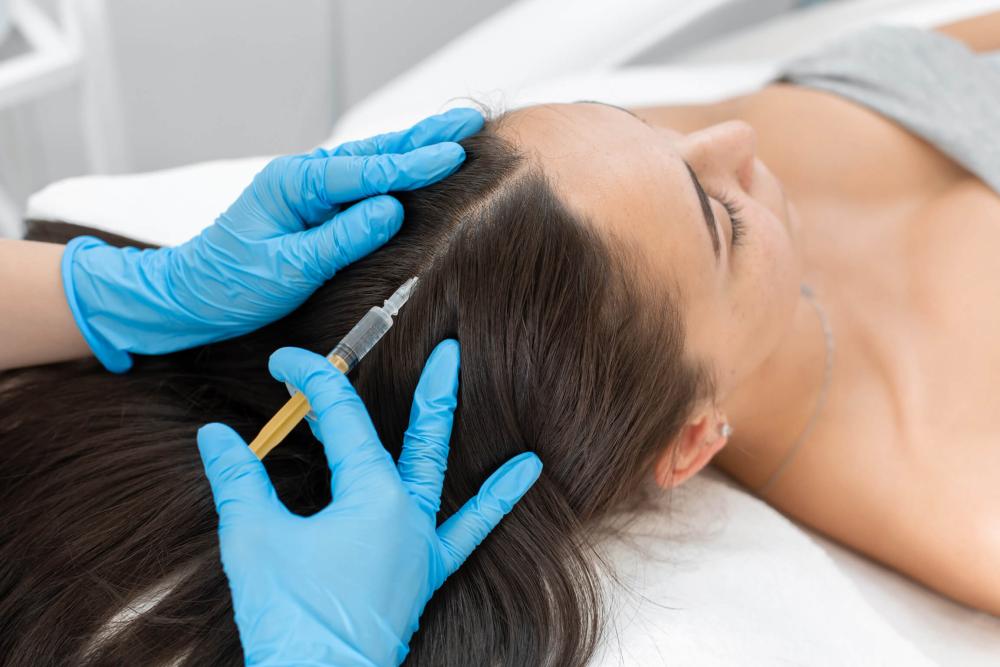
What Makes PRP Hair Treatment Popular for Hair Restoration?

Hair thinning and hair loss can affect personal confidence, appearance, and everyday comfort. Many people explore hair restoration options to maintain fuller-looking hair and support scalp health. Among the available approaches, PRP Hair Treatment in Dubai has gained attention from individuals seeking a non-surgical option for addressing certain hair concerns. Its growing popularity reflects an interest in treatments that use the body's own biological resources while focusing on scalp care and hair preservation.
Growing Interest in Non-Surgical Hair Restoration
Non-surgical hair restoration has become an important consideration for people who prefer options that do not involve traditional surgery.
PRP hair treatment attracts attention because it offers an alternative for people exploring ways to manage specific types of hair loss. Its non-surgical nature makes it relevant to discussions about modern hair restoration, particularly among those who want to understand different options before choosing an approach suited to their concerns.
A Focus on Natural Hair Preservation
Many individuals prefer hair care options that work with the body's existing resources. This preference has contributed to broader interest in regenerative approaches and treatments that use naturally occurring biological materials.
PRP hair treatment is often discussed in this context because it involves platelet-rich plasma derived from a person's own blood. However, using the body's own material does not guarantee a particular outcome or eliminate every potential risk. Suitability depends on individual circumstances, the underlying cause of hair loss, and appropriate professional assessment.
Addressing Common Hair Thinning Concerns
Hair thinning can appear in different patterns, including a widening part, reduced density around the crown, or a generally less full appearance. Interest in PRP hair treatment often centers on concerns such as:
-
Gradual thinning across areas of the scalp.
-
Reduced hair density that affects overall fullness.
-
Certain forms of pattern hair loss.
-
Concerns about maintaining existing hair.
Supporting a Fuller-Looking Hair Appearance
Hair density plays a significant role in how people perceive the fullness of their hairstyle. Even moderate thinning can change the way hair sits, making the scalp more visible in certain lighting or styling conditions.
People exploring hair restoration may therefore be interested in approaches intended to support hair preservation and scalp health. PRP hair treatment is one option discussed for selected hair-loss concerns, although individual responses vary and improvements in hair density cannot be guaranteed.
Interest in Personalized Hair Care
Hair loss does not affect everyone in the same way. Age, genetics, hormonal changes, nutritional factors, medication use, and certain health conditions may contribute to thinning or shedding.
This individualized perspective is one reason people research PRP hair treatment alongside other options. Understanding personal needs helps establish whether a particular approach is appropriate or whether another form of assessment or management may be more relevant.
Awareness of Scalp Health
Healthy scalp conditions are an important part of maintaining comfortable, manageable hair. Important considerations include:
-
Keeping the scalp clean without excessive irritation.
-
Choosing hair care products suited to individual needs.
-
Avoiding hairstyles that create persistent pulling.
-
Seeking medical advice for unexplained or ongoing hair loss.
A Non-Surgical Option for Selected Individuals
The appeal of non-surgical approaches often comes from the preference to explore alternatives before considering more extensive interventions. PRP hair treatment is discussed as one possibility for certain individuals experiencing hair thinning.
Nevertheless, it is not appropriate for every cause of hair loss. Conditions involving scarring, active scalp disease, significant nutritional deficiencies, or other medical factors may require different management. A qualified healthcare professional can help determine whether this option fits an individual's circumstances.
Greater Awareness of Hair Restoration Choices
Access to online information has made people more aware of the different approaches available for hair concerns. Individuals can now research treatment categories, compare general considerations, and prepare questions before seeking professional advice.
However, online descriptions may oversimplify benefits or overlook limitations. Reliable information should explain that hair loss has multiple causes and that no single option is suitable for everyone.
Understanding Individual Suitability
The popularity of a treatment should never be the only reason to consider it. Hair restoration decisions are most effective when they reflect the person's specific concerns and overall health.
Factors worth discussing with a healthcare professional include the pattern and duration of hair loss, scalp condition, relevant medical history, and possible contributing factors. Sudden shedding, patchy hair loss, scalp pain, or noticeable inflammation may require medical evaluation before pursuing a cosmetic hair restoration option.
Final Thoughts
PRP hair treatment has attracted interest because it offers a non-surgical option within the broader field of hair restoration. Its association with naturally derived biological material, its relevance to selected hair-thinning concerns, and growing awareness of personalized scalp care all contribute to its popularity. However, popularity does not establish effectiveness for every individual or every form of hair loss. Results can vary, and some conditions require different approaches.


