








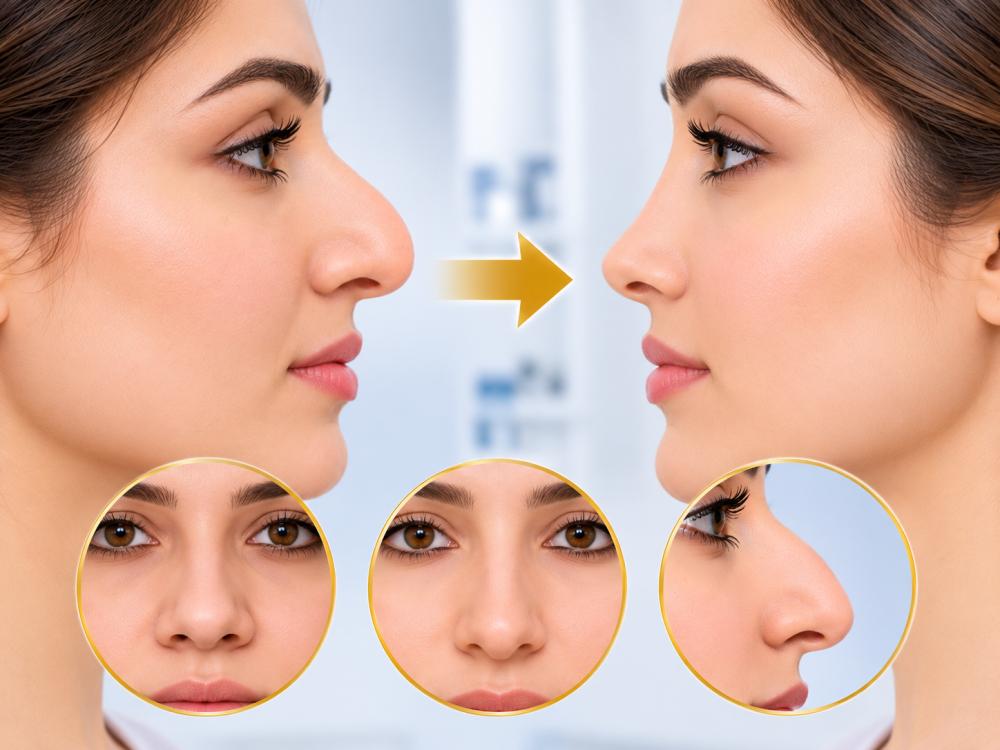
Can Rhinoplasty in Islamabad Fix a Bulbous Nose, Wide Nose, or Nose Hump?

A bulbous tip, a wide bridge, and a hump are among the most common reasons people ask about nose surgery. Each of them has a different cause and a different solution, which is why a single technique cannot treat them all. Rhinoplasty in Islamabad can improve all three, but the amount of change depends on skin thickness, cartilage strength, and the shape of the underlying bone. Understanding what is happening beneath the skin helps you set realistic goals. This guide explains how each concern is treated and what to expect.
Can Rhinoplasty Fix a Bulbous Nose?
Yes, a bulbous tip can be refined, although thick skin may limit how sharp it can become. The tip is shaped by the cartilage beneath the skin, and when that cartilage is wide or poorly defined, the tip looks round and heavy. The surgeon reshapes and supports the cartilage with sutures or grafts to create a more defined tip. Thick, oily skin does not shrink tightly over the new framework, so the result may be more subtle. Realistic expectations matter. A modest, natural improvement is the typical goal.
Can Rhinoplasty Fix a Wide Nose?
A wide nose can be narrowed, but the cause of the width must be identified first. Width may come from wide nasal bones, a broad bridge, wide cartilage in the middle of the nose, or flared nostrils. Each requires a different approach. The surgeon may adjust the nasal bones to narrow the bridge, refine the cartilage, and reshape the base of the nostrils. Narrowing too much can affect breathing and look unnatural. A balanced reduction gives the best result.
Can Rhinoplasty Remove a Nose Hump?
Yes, a hump is one of the most predictable concerns to correct. The hump is made of bone and cartilage on the bridge, and the surgeon smooths it by carefully reducing the excess. After reduction, the nasal bones are sometimes repositioned to close the open roof that results. The goal is a straight or gently curved profile that suits the face. Over reduction can leave the bridge too low or scooped, so restraint is important. The change in profile is often clearly visible.
What Causes Each of These Concerns?
Understanding the cause helps explain why each requires its own approach. Some features are inherited, while others come from injury or ageing.
The main contributors include:
- Genetics, which shape bone and cartilage
- Skin thickness and oil gland activity
- Injury that altered the structure of the nose
- Ageing, which can make the tip droop and the nose look longer
- Previous surgery that changed the framework
- Natural variation in nostril shape
Often more than one factor is involved.
How Do the Three Concerns Compare?
Seeing the concerns side by side clarifies how each is approached. The table below gives a general overview.
| Concern | Main Cause | Typical Approach |
|---|---|---|
| Bulbous tip | Wide or weak tip cartilage, thick skin | Refine and support the cartilage |
| Wide nose | Wide bones, broad bridge, or flared nostrils | Narrow the bones and reshape the base |
| Nose hump | Excess bone and cartilage on the bridge | Smooth and reduce the hump |
What Elements Support a Good Result?
A good result depends on several elements working together. A careful assessment of your nose guides the plan, and a realistic approach sets expectations about how much can change. The right technique, a skilled surgeon, and disciplined aftercare protect the outcome.When these elements come together, patients are better positioned to achieve results they feel comfortable with over time. Glamorous Aesthetic Clinic is committed to providing that level of personalized care, and every recommendation is based on careful assessment of the individual. If you are considering treatment, begin with a professional consultation and choose a provider who values safety, clarity, and realistic expectations.
Can the Tip Be Treated Alone?
If the main concern is the tip, a limited procedure may be enough. Nose tip plasty refines the shape and position of the tip without reshaping the whole nose. It suits patients who are happy with their bridge and want a more defined tip. A bulbous tip often responds well, though skin thickness still influences the final definition. Because the tip and the bridge interact, a careful examination is needed to confirm that a focused approach will look balanced. Your surgeon will tell you whether it is enough.
Which Approach Is Used for a Hump or Wide Bridge?
A hump or wide bridge usually involves changes to the bone, which are done through either an open or a closed approach. Closed rhinoplasty uses hidden internal incisions and suits many hump reductions and moderate narrowing, often with milder swelling. More complex cases may call for open access for better control. The right choice depends on how much structural work is needed. Ask your surgeon why a particular approach is recommended. Skill and planning matter more than the label.
Can Fillers Help With a Hump or Wide Nose?
Fillers cannot reduce a hump or narrow a wide nose, since they only add volume. A non-surgical nose job can sometimes camouflage a small hump by adding volume above and below it, creating the illusion of a straighter line. It does not reduce size, and it may even make a wide nose look wider. It is only suitable for mild concerns, and the effect is temporary. Surgery is the effective solution for structural concerns. Use fillers only when your concern is small and specific.
What Is Recovery Like?
Recovery after correcting these concerns follows the usual stages of rhinoplasty. Expect swelling, bruising around the eyes, and a blocked feeling in the first week, with a splint in place. Most patients return to light work in one to two weeks. Thick skin, a bulbous tip, and significant reshaping can mean longer swelling, especially at the tip. The final result appears gradually over about a year. Following aftercare instructions protects the new shape.
FAQs
Can a bulbous tip be made sharp?
It can be refined, but thick skin limits how sharp it becomes.
Will narrowing the nose affect breathing?
It can if overdone, which is why balanced reduction and airway checks matter.
Is a hump removal permanent?
The removed bone and cartilage do not grow back, so the result is long lasting.
Can all three concerns be treated together?
Yes, they are often addressed in a single plan.
How long until I see the final shape?
Most change is visible in a few months, with refinement over about a year.
Final Thought
Rhinoplasty can improve a bulbous nose, a wide nose, and a nose hump, though each has its own cause and technique and thick skin may limit definition. A hump is one of the most predictable concerns to correct, while a bulbous tip and a wide nose need careful reshaping to stay natural and functional. Fillers are not a substitute for surgery in structural cases. A thorough consultation will show what is possible for your nose.
Contact us at our website: https://www.glamaesthetics.com.pk/ for a professional consultation.
Read More:
https://ext-7028536.livejournal.com/1623.html


