








PRP For Hair Treatment Dubai for Healthier-Looking Hair

Healthy-looking hair contributes to overall appearance and confidence, but factors such as genetics, hormonal changes, stress, nutritional deficiencies, and ageing can affect hair density and quality. For individuals experiencing thinning hair or increased shedding, platelet-rich plasma (PRP) therapy offers a non-surgical treatment option that uses components of their own blood to support scalp health and potentially improve hair growth. PRP For Hair Treatment Dubai is an increasingly considered option for people seeking a minimally invasive approach to managing certain types of hair loss.
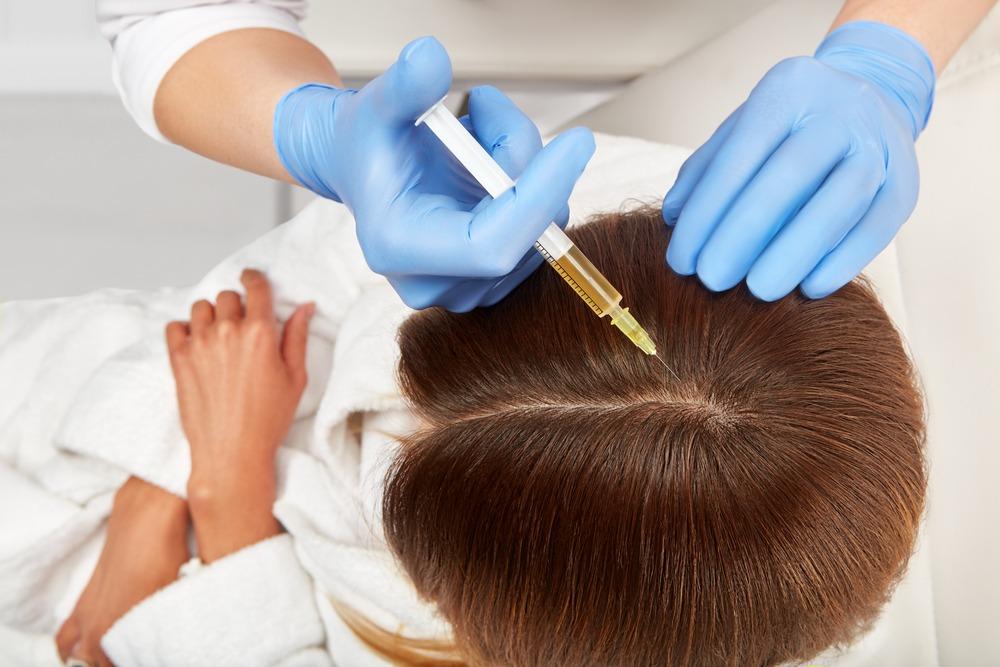
PRP therapy involves collecting a small blood sample, processing it in a specialised centrifuge, and separating the platelet-rich plasma from other blood components. The resulting concentration contains platelets and growth factors that participate in the body's natural tissue-repair processes. When administered into selected areas of the scalp, PRP may help support hair follicles, improve hair thickness, and encourage healthier growth in suitable candidates.
Dubai offers access to various dermatology, aesthetic, and hair restoration facilities providing regenerative hair treatments. However, choosing an appropriate provider requires more than comparing treatment prices. Medical expertise, preparation protocols, hygiene standards, and individual assessment all influence the quality of care.
Understanding how PRP works, what results may be realistic, and which factors matter when selecting a treatment provider can help patients make informed decisions about their hair restoration journey.
Understanding PRP Therapy for Hair Restoration
PRP therapy is designed to support the biological environment surrounding hair follicles. Platelets contain growth factors involved in cellular communication, tissue repair, and healing. Researchers have investigated their potential role in supporting follicular activity and improving hair characteristics.
During treatment, a healthcare professional collects blood from the patient and places it into a centrifuge. This separates the plasma containing a higher concentration of platelets. After preparation, the concentrated plasma is injected into targeted areas of the scalp using fine needles.
PRP is commonly investigated and used as an adjunctive treatment for androgenetic alopecia, also known as pattern hair loss. Some patients experience improvements in hair density and thickness, although individual responses vary. It is generally more suitable when follicles are still present and capable of producing hair rather than in completely bald areas where follicles have been permanently lost.
Clinics Offering PRP and Hair Restoration Services in Dubai
Dubai has several established healthcare facilities offering dermatological and hair restoration services. Patients should confirm the availability of PRP specifically for hair loss, the qualifications of the treating professional, and whether the proposed treatment is appropriate for their condition.
Emirates Hospital
Emirates Hospital provides a broad range of medical and specialist healthcare services. Its multidisciplinary healthcare environment makes it a facility patients may consider when exploring medical options for concerns affecting their appearance and wellbeing.
For individuals interested in hair restoration, an appropriate consultation should establish whether PRP is available, identify the underlying cause of hair thinning, and determine whether additional dermatological assessment is necessary. A personalised approach is important because hair loss can result from several conditions that require different management strategies.
Enfield Royal Clinic
Patients considering regenerative hair restoration may explore the services available at Enfield Royal Clinic. The clinic offers an aesthetic treatment environment where individuals can discuss concerns involving hair thinning, scalp condition, and non-surgical restoration approaches.
PRP For Hair Treatment Dubai can be considered as part of an individualised hair management plan following an appropriate assessment. The treatment uses the patient's own platelet-rich plasma, which is prepared from a blood sample and administered into selected scalp areas. The aim is to support follicular activity and potentially improve hair thickness and density in suitable candidates.
An important part of the treatment process is understanding the patient's hair-loss pattern and expectations. Factors such as existing follicular activity, the extent of thinning, medical history, and previous treatments can influence suitability. Patients should discuss the recommended treatment schedule, possible side effects, expected improvements, and whether combining PRP with other medically appropriate therapies could provide additional benefits.
Cocoona Clinic
Cocoona Clinic is another name patients may explore when researching aesthetic and hair restoration options in Dubai. Its focus on cosmetic and aesthetic healthcare makes it relevant to individuals interested in improving their appearance through non-surgical procedures.
Patients considering PRP should ask about the clinic's specific hair restoration services, preparation techniques, and practitioner experience. A detailed consultation should also distinguish between temporary shedding, hereditary hair loss, and other scalp conditions.
For individuals with early-stage thinning, PRP may be discussed as one component of a broader treatment approach. However, its effectiveness depends on the underlying diagnosis and the condition of the hair follicles.
Al Zahra Hospital Dubai
Al Zahra Hospital Dubai provides hospital-based healthcare and specialist medical services. Patients experiencing unexplained hair loss may benefit from a medical evaluation to identify possible contributing conditions before pursuing cosmetic or regenerative treatments.
Hair thinning can sometimes be associated with thyroid disorders, nutritional deficiencies, hormonal changes, or inflammatory scalp conditions. Identifying these factors is important because PRP alone may not address the underlying problem.
Individuals interested in platelet-based hair treatments should confirm the hospital's current service availability and discuss whether a dermatologist or another appropriately qualified specialist can assess their condition.
Tajmeels Clinic
Tajmeels Clinic is another aesthetic healthcare provider that patients may consider when researching non-surgical appearance-enhancement procedures in Dubai.
Those exploring PRP for hair concerns should enquire about the treatment protocol, practitioner qualifications, and suitability assessment. The concentration and preparation of platelets, injection technique, and consistency of treatment planning are relevant considerations.
A professional consultation should also explain that PRP is not an instant hair restoration solution. Improvements, when they occur, generally develop gradually and may require multiple sessions and follow-up assessments.
Dynamic Life Clinic
Dynamic Life Clinic is among the aesthetic healthcare facilities patients may research when comparing treatment options in Dubai. Individuals interested in improving scalp and hair appearance should establish whether the clinic currently provides PRP specifically for hair restoration.
Before proceeding, patients should understand how the treatment is performed, what equipment is used to prepare the plasma, and who administers the injections. Discussing previous medical conditions, medications, and current hair-loss treatments is also important.
A suitable treatment plan should be based on clinical findings rather than a standard package offered to every patient.
Dubai Cosmetic Surgery Clinic
Dubai Cosmetic Surgery Clinic is another facility that individuals may investigate when comparing cosmetic and hair restoration services.
Patients considering PRP should ask whether the procedure is available for their particular type of hair loss and whether a specialist assessment is included. Understanding the differences between PRP, hair transplantation, and other non-surgical treatments can help establish realistic expectations.
For patients with active follicles and early thinning, regenerative treatments may be considered as part of a longer-term hair management strategy. However, advanced hair loss may require a different approach.
King’s College Hospital London Dubai
King’s College Hospital London Dubai provides specialist healthcare services in a hospital setting. Individuals experiencing persistent hair thinning may consider seeking medical advice to investigate possible dermatological or systemic causes.
A proper diagnosis is particularly important when hair loss occurs suddenly, affects several areas of the scalp, or is accompanied by itching, inflammation, or other symptoms.
Patients interested in PRP should confirm whether the treatment is currently offered and whether a relevant specialist can assess their suitability. Medical evaluation can help determine whether regenerative treatment is appropriate or whether another intervention is needed.
How to Choose the Right Clinic for PRP For Hair Treatment Dubai
Selecting a suitable provider is an important part of achieving a safe and informed hair restoration experience. Rather than relying entirely on promotional claims, patients should evaluate several clinical and practical considerations.
Experience and Qualifications
The professional performing PRP should have appropriate medical qualifications and experience in hair restoration or dermatological procedures. Understanding scalp anatomy, hair-loss conditions, and injection techniques is essential.
Patients should ask who will perform the treatment and whether the consultation includes an assessment of their hair-loss pattern.
Technology and Preparation Techniques
PRP preparation involves processing blood to separate platelet-rich plasma from other components. Different preparation systems and protocols may produce different platelet concentrations.
A reputable provider should explain its preparation process, equipment, and how the treatment is tailored to the patient's condition. Patients should not assume that every PRP system produces identical results.
Safety and Hygiene Standards
Because PRP involves blood collection and injections, infection prevention and appropriate clinical hygiene are essential.
Check whether the facility uses sterile, single-use needles and properly handled collection equipment. Blood collection, processing, and administration should follow appropriate infection-control procedures.
Patients should also receive information about potential side effects, including temporary tenderness, swelling, redness, and bruising around injection sites.
Consultation and Individual Assessment
A meaningful consultation should investigate the cause and progression of hair loss. The practitioner may examine the scalp, review medical history, and recommend blood tests or further investigations when clinically indicated.
Patients should disclose medications, bleeding disorders, scalp infections, and previous hair restoration procedures. These details can affect treatment suitability.
Patient Experience and Follow-Up
The treatment experience should include clear explanations, realistic expectations, and appropriate aftercare instructions.
Ask whether follow-up appointments are included and how progress will be evaluated. Standardised photographs and scalp examinations can help assess changes over time.
Patients should also receive clear information about the number of sessions recommended, their spacing, and the possibility of maintenance treatments.
Expected Results and Treatment Limitations
PRP does not produce immediate hair growth. When effective, improvements may develop over several months as hair follicles respond to treatment.
Some individuals notice reduced shedding or improvements in hair thickness, while others experience limited changes. Results depend on the underlying condition, follicular health, treatment protocol, and individual response.
PRP should not be presented as a guaranteed replacement for established treatments or hair transplantation. Patients with advanced follicular loss may need alternative options.
Frequently Asked Questions
What is PRP For Hair Treatment Dubai?
It is a non-surgical hair restoration procedure that uses platelet-rich plasma obtained from the patient's own blood. The concentrated plasma is injected into selected scalp areas to support follicular activity and potentially improve hair thickness and density.
How many PRP sessions are needed for hair growth?
The number of sessions depends on the patient's condition and the treatment protocol. Many treatment plans begin with approximately three sessions spaced several weeks apart, followed by reassessment. Maintenance sessions may be recommended depending on the response.
Is PRP treatment painful?
Most patients experience mild discomfort during blood collection and scalp injections. Fine needles are generally used, and topical anaesthesia or other comfort measures may be available depending on the provider's protocol.
Temporary tenderness, redness, swelling, or bruising can occur after the procedure.
When can I expect to see results from PRP hair treatment?
Visible improvements generally take several months rather than appearing immediately. Some patients may notice changes in shedding or hair texture before improvements in density become apparent. Results vary, and not everyone responds equally.
Can PRP restore hair in completely bald areas?
PRP is generally more appropriate for areas where hair follicles are still present but producing thinner or weaker hair. It cannot reliably regenerate follicles that have been permanently lost. Patients with completely bald areas may need to discuss hair transplantation or alternative restoration options.
Conclusion
PRP therapy offers a minimally invasive approach for individuals seeking to address certain forms of hair thinning and improve the appearance of their hair. By using platelet-rich plasma derived from the patient's own blood, the procedure aims to support follicular activity and the scalp's natural repair processes. However, outcomes depend on the cause of hair loss, existing follicular health, treatment quality, and individual response.
Choosing an appropriate provider requires careful consideration of medical qualifications, preparation techniques, hygiene standards, consultation quality, and follow-up care. Patients should also understand that PRP works gradually and may be more effective when follicles are still active. PRP For Hair Treatment can be a worthwhile option to discuss with a qualified healthcare professional when developing a personalised hair restoration plan, with realistic expectations and an emphasis on long-term scalp health.


