








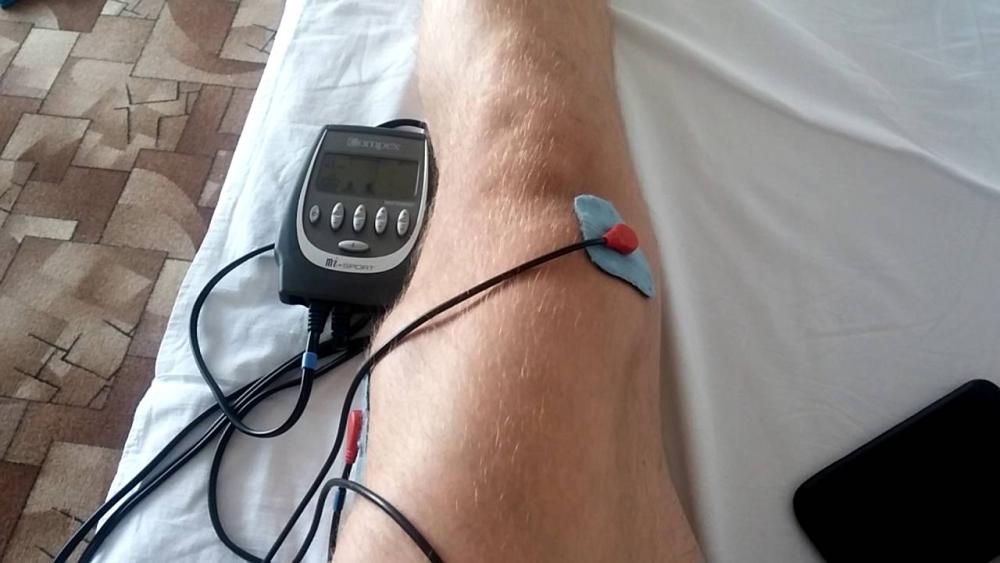
Does Dynamic Muscle Activation Help Improve Body Alignment?

Body alignment plays an important role in maintaining balance, comfortable movement, and efficient muscle coordination during everyday activities. Muscle activation techniques focus on engaging specific muscle groups that support the body's natural positioning and movement patterns. For individuals exploring Dynamic Muscle Activation in Dubai, understanding how targeted muscle engagement relates to posture can help clarify its potential role in physical wellness.
Understanding Body Alignment
Body alignment refers to how different parts of the body relate to one another while standing, sitting, walking, or performing physical activities. Balanced alignment helps distribute physical demands across muscles and joints rather than placing excessive strain on particular areas.
Good alignment does not require maintaining one rigid posture throughout the day. Instead, it involves having sufficient strength, flexibility, and coordination to move comfortably between different positions.
How Muscle Engagement Supports Posture
Posture depends on the coordinated activity of several muscle groups rather than the strength of one individual muscle. Important muscular functions include:
-
Supporting the trunk during sitting and standing.
-
Maintaining control of the pelvis and hips.
-
Helping stabilize the shoulders during upper-body movements.
-
Supporting balance when changing direction or shifting body weight.
The Connection Between Core Stability and Alignment
Core stability is an important component of body alignment because the trunk connects the upper and lower portions of the body. The abdominal muscles, deeper trunk muscles, and back muscles work together to provide support during daily activities.
When these muscles coordinate appropriately, the body can maintain greater control during bending, reaching, lifting, and walking. This support may also reduce unnecessary compensatory movements, in which one body region works harder to make up for limitations elsewhere.
Improving Pelvic and Hip Control
The position of the pelvis influences the alignment of the lower back, hips, and legs. Areas of particular importance include:
-
Gluteal muscles: Support hip stability and control during walking and standing.
-
Hip flexors: Contribute to movements that bring the thigh toward the torso.
-
Abdominal muscles: Assist with trunk and pelvic control.
-
Thigh muscles: Help stabilize the lower body during weight-bearing activities.
Supporting Shoulder and Upper-Back Alignment
Shoulder positioning is influenced by the muscles of the upper back, chest, and shoulder girdle. Prolonged sitting, repetitive tasks, and limited movement variety can contribute to discomfort or habitual positioning that feels difficult to change.
Dynamic muscle engagement can encourage greater awareness of how the shoulders move in relation to the rib cage and spine. The muscles surrounding the shoulder blades play a particularly important role in controlling upper-body movement. A balanced approach considers both strength and mobility.
The Role of Balance and Coordination
Body alignment is closely connected to balance. The body continually adjusts muscular activity to respond to changes in surface conditions, movement direction, and body position. Dynamic muscle activation may support this process by encouraging muscles to respond appropriately as weight shifts between the feet or the torso changes position.
Better coordination can be useful during activities such as climbing stairs, walking on uneven ground, reaching overhead, and maintaining stability while turning. These movements require several muscle groups to work together rather than operate independently.
Why Flexibility Matters Alongside Muscle Activation
Muscle activation and flexibility serve complementary purposes. Muscles need to generate appropriate tension to support movement, but surrounding tissues and joints must also allow sufficient mobility. A balanced physical wellness approach considers:
-
Strength across relevant muscle groups.
-
Comfortable joint mobility.
-
Coordination between opposing muscle groups.
-
The ability to move without unnecessary tension.
Everyday Habits That Influence Alignment
Muscle coordination is only one influence on body alignment. Daily routines, activity levels, work environments, footwear, and movement preferences can also affect how the body feels throughout the day. Maintaining varied movement habits can help prevent prolonged periods in one position.
It is also helpful to avoid treating posture as a single perfect position. Natural movement involves regular adjustments, and a comfortable posture may differ according to the task, individual anatomy, and physical needs.
Who May Benefit From Better Muscle Coordination?
People who want to improve movement awareness, general physical control, or postural stability may find muscle coordination an important area to explore. Individuals with physically demanding routines or extended periods of sitting may also benefit from understanding how different muscle groups support their activities.
Nevertheless, persistent pain, noticeable weakness, balance difficulties, or substantial changes in posture should not automatically be attributed to poor muscle activation.
Final Thoughts
Dynamic muscle activation can contribute to better body alignment by encouraging coordinated muscular support, improved movement awareness, and greater control of the trunk, hips, and shoulders. Its value lies in helping different muscle groups work together during everyday activities rather than focusing exclusively on one area of the body. Muscle activation should therefore be viewed as one component of overall physical wellness, not a guaranteed solution for every postural concern.


