








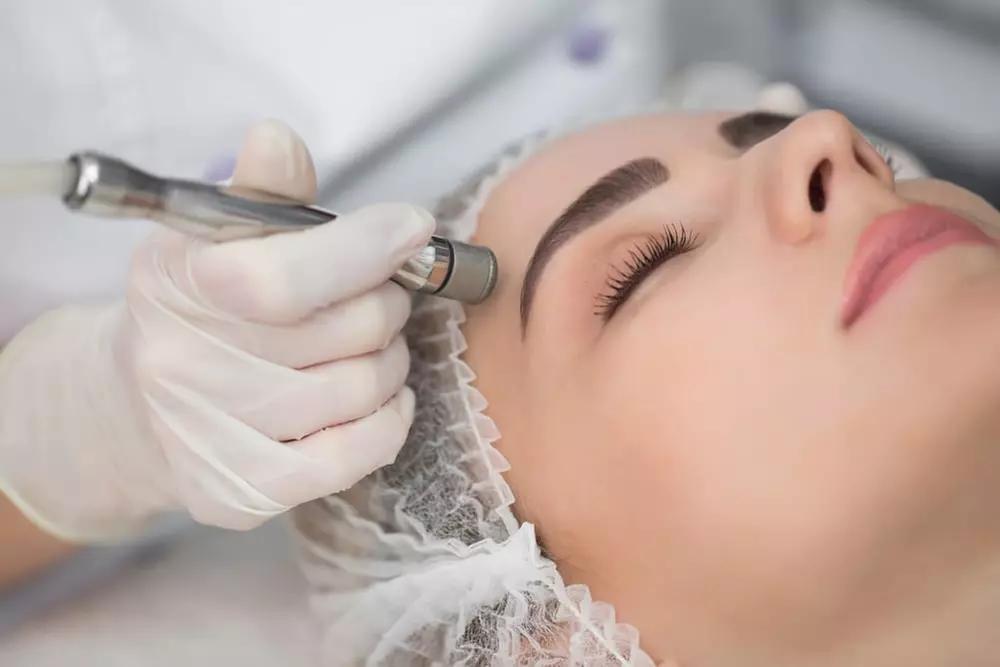
How Does Microdermabrasion Help Improve Facial Skin Clarity?

Facial skin clarity plays an important role in creating a fresh, smooth, and healthy-looking appearance. However, everyday exposure to environmental pollutants, excess oil, dead skin buildup, and changing skin conditions can make the complexion appear dull or uneven. Many people explore different skincare options to maintain a refined appearance, including Microdermabrasion in Dubai, which is commonly associated with improving the visible texture and clarity of facial skin.
Understanding Facial Skin Clarity
Facial skin clarity refers to how smooth, balanced, and even the complexion appears. Several factors can influence facial clarity, including:
-
Accumulation of dead skin cells.
-
Excessive oil production.
-
Environmental pollution and dust.
-
Uneven skin texture.
-
Visible pores and minor surface irregularities.
-
Inconsistent skincare habits.
How Does Microdermabrasion Support a Smoother Complexion?
A smoother complexion is often associated with a more refined skin surface. Microdermabrasion is a recognized cosmetic skincare treatment that focuses on superficial skin concerns, particularly those related to roughness and uneven texture.
By addressing surface irregularities, this approach is associated with a more polished facial appearance. Individuals concerned about rough patches or a lack of smoothness may consider how this treatment fits into their broader skincare goals.
The Connection Between Dead Skin Buildup and Dullness
Dead skin cells naturally accumulate on the outermost layer of the skin. When this buildup becomes noticeable, the complexion may appear tired, rough, or less radiant. Common signs associated with surface buildup include:
-
A lack of natural-looking brightness.
-
Uneven facial texture.
-
Rough areas around the cheeks and forehead.
-
Skin that appears less refreshed.
-
Makeup that does not sit evenly.
Can Microdermabrasion Help Improve Uneven Skin Texture?
Uneven skin texture is a common cosmetic concern that can affect the overall appearance of the face. Some individuals notice small rough areas, irregular surface patterns, or differences in smoothness across their cheeks, chin, and forehead.
Microdermabrasion is associated with addressing superficial textural irregularities. Its relevance to facial skincare comes from its focus on the outer skin surface rather than deeper structural concerns. A balanced approach to skincare can also help maintain a more consistent appearance across different facial areas.
Supporting a Brighter and More Refreshed Appearance
A naturally bright complexion is often associated with smoothness, even texture, and balanced skin appearance. Several everyday factors influence facial brightness:
-
Insufficient attention to sun protection.
-
Exposure to environmental pollutants.
-
Irregular skincare routines.
-
Dehydrated-looking skin.
-
Accumulation of surface impurities.
Understanding the Appearance of Enlarged Pores
Visible pores are a normal feature of facial skin, although their appearance varies among individuals. Excess oil, skin congestion, and natural skin characteristics can make pores appear more noticeable. Important considerations include:
-
Maintaining appropriate facial cleansing habits.
-
Choosing non-comedogenic skincare products.
-
Avoiding excessive exfoliation.
-
Using suitable moisturizers.
-
Protecting the skin from excessive sun exposure.
Why Consistent Skincare Matters for Facial Clarity
Healthy-looking skin requires more than attention to occasional cosmetic concerns. Consistent skincare habits help support the skin's natural condition and maintain a balanced appearance. Gentle cleansing, suitable moisturization, sun protection, and avoiding unnecessarily harsh products are useful foundations for everyday facial care. Individual skin characteristics should guide product choices because sensitive, oily, dry, and combination skin can respond differently to skincare ingredients.
Addressing Rough and Uneven Facial Areas
Roughness can appear in different parts of the face, including the forehead, cheeks, nose, and chin. These variations may influence how evenly the complexion looks under natural lighting. Common contributing factors include:
-
Dryness and inadequate moisturization.
-
Excessive use of harsh exfoliating products.
-
Environmental irritation.
-
Accumulation of dead skin cells.
-
Naturally uneven skin characteristics.
Microdermabrasion and the Appearance of Minor Surface Imperfections
Minor surface imperfections can influence the overall appearance of facial skin. Uneven patches, rough areas, and superficial irregularities may make the complexion appear less uniform.
Microdermabrasion is generally associated with superficial cosmetic skin concerns. However, not every imperfection has the same underlying cause. Deeper acne scarring, pigmentation disorders, active inflammation, and other skin conditions may require different approaches.
Maintaining Facial Skin Clarity Through Everyday Habits
Daily habits can influence how the complexion looks and feels. A practical skincare routine should focus on maintaining the skin's natural balance without unnecessary irritation. Helpful habits include:
-
Cleansing the face gently according to individual skin needs.
-
Applying moisturizer to support skin hydration.
-
Using broad-spectrum sunscreen during daytime.
-
Avoiding frequent or aggressive exfoliation.
-
Selecting skincare products suitable for individual skin types.
-
Maintaining healthy hydration and balanced nutrition.
Choosing Skincare Priorities Based on Individual Concerns
Every individual's facial skin has different characteristics. Some people primarily experience dullness, while others are more concerned about visible pores, rough texture, or uneven facial appearance.
Identifying the main concern is an important part of choosing appropriate skincare options. Sensitive skin, active acne, persistent redness, and certain dermatological conditions may require professional assessment before considering exfoliating treatments.
Final Thoughts
Facial skin clarity depends on several interconnected factors, including surface texture, hydration, oil balance, environmental exposure, and everyday skincare habits. Microdermabrasion is one cosmetic option associated with addressing superficial concerns such as roughness, dull-looking skin, and uneven texture. However, it is not a universal solution for every complexion concern. A thoughtful approach to skincare can help individuals make informed choices while maintaining realistic expectations about their facial skin goals.


