








How Can Eczema Treatment Help Protect the Skin Barrier?

Healthy skin acts as a natural shield against environmental irritants, moisture loss, and harmful substances. However, eczema can weaken this protective layer, leaving the skin dry, itchy, sensitive, and prone to inflammation. Understanding how Eczema Treatment in Dubai supports skin barrier health can help individuals make informed decisions about their skincare needs. Appropriate care focuses on maintaining hydration, reducing irritation, and supporting the skin's natural protective functions.
Understanding the Skin Barrier and Eczema
The skin barrier is the outermost layer of the skin, helping retain moisture while limiting exposure to irritants and allergens. A weakened skin barrier may lead to several concerns, including:
-
Persistent dryness and flaking.
-
Redness, itching, and irritation.
-
Increased sensitivity to soaps and skincare products.
-
Small cracks that make the skin uncomfortable.
-
Greater vulnerability to environmental triggers.
Why Moisture Retention Matters
Moisture plays an essential role in maintaining soft, flexible, and comfortable skin. When eczema affects the skin barrier, the skin struggles to retain sufficient water, which can intensify tightness and itching. Regular moisturizing helps replenish the skin's surface and reduce excessive moisture loss.
Emollients, creams, and ointments can support hydration by softening dry areas and creating a protective layer. The most suitable option depends on the affected area, the severity of dryness, and individual sensitivities.
Reducing Inflammation and Irritation
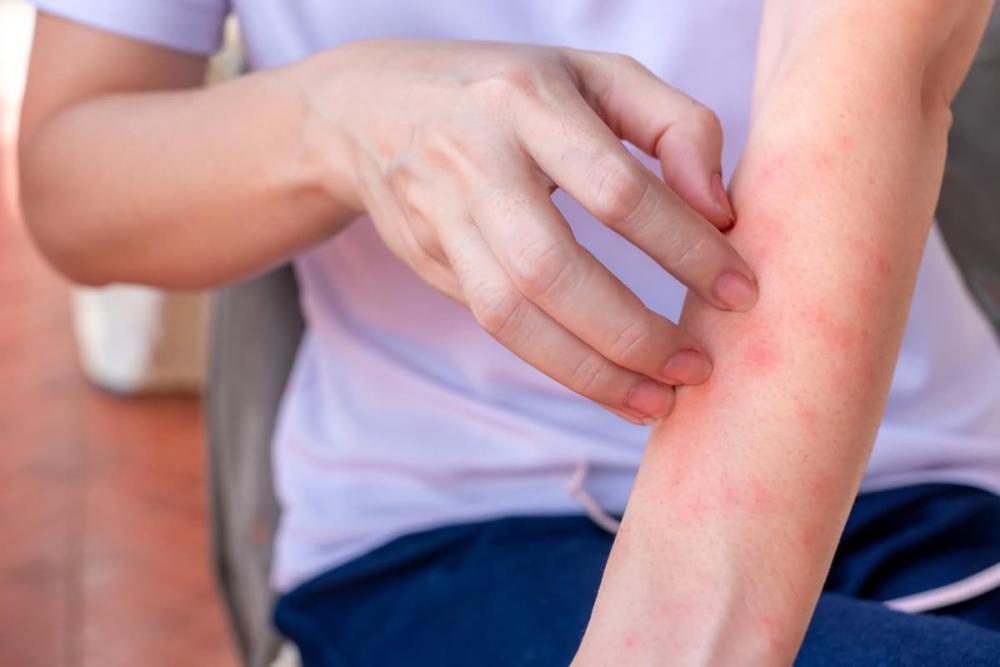
Inflammation is a central feature of eczema and can make the skin red, itchy, swollen, or uncomfortable. Repeated scratching may further damage the barrier, creating a cycle in which irritation encourages scratching and scratching worsens irritation.
Appropriate eczema care aims to control inflammation while protecting the affected skin. Depending on the individual's condition, a healthcare professional may recommend suitable topical medications alongside regular moisturization. Avoiding unnecessary friction and harsh skincare ingredients is equally important.
Choosing Gentle Cleansing Habits
Cleansing helps remove sweat, dirt, and everyday impurities, but unsuitable products may strip away natural oils and aggravate eczema-prone skin. Helpful cleansing habits include:
-
Using lukewarm water instead of very hot water.
-
Selecting mild, fragrance-free cleansers.
-
Keeping baths and showers relatively short.
-
Patting the skin dry rather than rubbing it vigorously.
-
Applying moisturizer soon after bathing.
Identifying Personal Eczema Triggers
Eczema symptoms can vary considerably between individuals. Certain substances, weather conditions, fabrics, and daily habits may aggravate symptoms in susceptible people. Common potential triggers include:
-
Fragranced soaps, perfumes, and detergents.
-
Wool or rough fabrics that rub against the skin.
-
Excessive sweating and overheating.
-
Cold, dry weather or sudden environmental changes.
-
Dust, certain allergens, and other individual sensitivities.
The Role of Barrier-Friendly Skincare Ingredients
Certain skincare ingredients can help support hydration and improve the feel of dry, irritated skin. Choosing suitable formulations is particularly important when the skin is sensitive or inflamed. Examples of useful ingredients include:
-
Ceramides: Help support the skin's natural protective structure.
-
Glycerin: Attracts water to help maintain skin hydration.
-
Petrolatum: Forms an occlusive layer that reduces moisture loss.
-
Hyaluronic acid: Helps attract and retain water in the skin's surface layers.
-
Colloidal oatmeal: May soothe itching and irritation in some people.
Preventing Scratching and Additional Skin Damage
Scratching may provide temporary relief, but repeated rubbing can damage the skin surface, increase inflammation, and create cracks. Damaged skin can also become more susceptible to secondary infections.
If itching becomes severe or interferes with sleep and daily activities, professional medical advice can help identify appropriate management options. Persistent scratching should not be treated as a simple cosmetic concern because it can contribute to further skin damage.
Protecting the Skin From Environmental Stress
Environmental conditions can influence skin hydration and comfort. Dry air, excessive heat, sweat, and friction may aggravate eczema symptoms, making environmental protection an important consideration.
Sun protection deserves attention as well. A fragrance-free sunscreen suitable for sensitive skin can help protect exposed areas, provided the product does not trigger irritation. Testing a small area first may be helpful when introducing unfamiliar skincare products.
Supporting Skin Health Through Daily Habits
Everyday habits contribute to the overall management of eczema. Consistent skincare, adequate hydration, and attention to individual triggers can help maintain comfort and reduce avoidable stress on the skin barrier.
Useful habits include following a regular moisturizing routine, choosing soft fabrics, managing stress, and avoiding products that repeatedly cause irritation. Although drinking enough water supports general health, it does not independently correct eczema-related barrier dysfunction.
Recognizing When Medical Guidance Is Needed
Self-care can support the skin barrier, but some eczema symptoms require medical assessment. Persistent inflammation, extensive skin involvement, or frequent flare-ups may indicate that additional treatment is necessary.
Seek medical advice if symptoms remain difficult to manage or repeatedly disrupt sleep and everyday activities. A qualified healthcare professional can help distinguish eczema from other skin conditions and recommend suitable care based on symptoms, age, affected areas, and medical history.
Final Thoughts
Protecting the skin barrier is an essential part of managing eczema and maintaining comfortable, resilient skin. Gentle cleansing, regular moisturization, suitable skincare ingredients, and awareness of personal triggers can help reduce irritation and limit moisture loss. Avoiding excessive scratching and protecting sensitive areas from environmental stress are also valuable daily practices. Because eczema affects individuals differently, the most appropriate skincare approach depends on personal symptoms and sensitivities.


