








Half Cut Car Guide: Understanding Components, Compatibility, and Safe Import Considerations
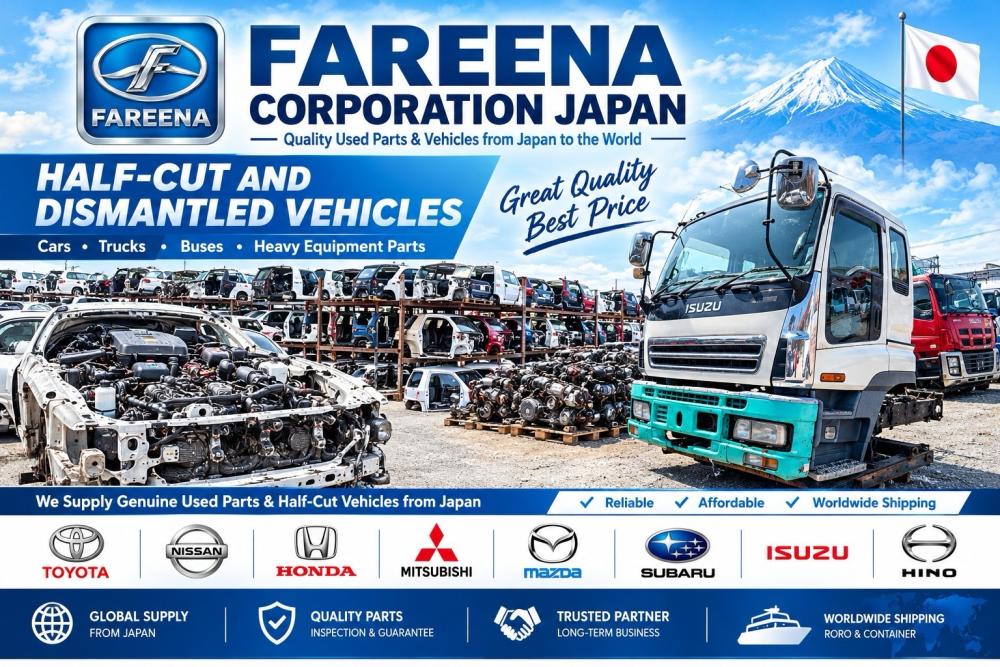
Buying a Half cut car from Japan can lower repair costs, but only when the front section matches your vehicle exactly. A wrong engine code or a mismatched wiring loom turns a good price into a freight bill for parts that will not fit. Workshops, rebuilders and private owners all face the same questions: what comes in the cut, will it fit, and how does it reach the buyer safely? Most problems start at the ordering stage, well before delivery.
The sections below walk through what a half cut contains, how to confirm compatibility, and what to check before shipping.
Components Found in a Half Cut
A regular half-cut car includes the front bumper, bonnet, engine, gearbox and dashboard, cut just behind the front seats. A nose cut stops near the firewall, while a rear cut covers the back half. Truck donors differ: cabs, axles and engines are usually sold separately as used truck parts. Here is what usually comes with a half cut:
- Engine, gearbox and ECU, with the matching wiring loom
- Front suspension, steering rack and subframe
- Radiator, AC condenser and compressor
Contents vary between donors, so ask the seller for a written parts list and clear photos before committing.
Compatibility Depends on Codes, Not Model Names
Compatibility is confirmed by matching identifiers, because two cars sold under the same name can carry different engines, gearboxes and ECUs. Run this check as soon as the seller sends a chassis number, and before any deposit is paid. Compare these details against the vehicle receiving the unit:
- Chassis code and engine code
- Model year and grade
- Transmission type and drive layout, 2WD or 4WD
One mismatch can rule out an otherwise good unit. Searchable used auto parts listings that show make, model, year and part number make this check quicker.
Safe Import Starts With Rules and Records
A safe import begins with checking the destination country’s rules before the donor is bought. Customs and biosecurity requirements differ by country, and used truck parts can face closer inspection than new ones. To reduce that risk, ask the seller for the following:
- Photos and a video of the exact unit
- Mileage records or an auction sheet, where available
- Confirmation that fluids are drained and soil is fully cleaned off
Single Parts Often Suit Smaller Repairs Better
A half-cut car pays off only when two or more major systems need replacing. For one failed unit, individual used auto parts cost less to ship and are easier to verify. Match the purchase to the repair:
- Engine and gearbox both failing: buy the half cut
- One faulty sensor or control unit: buy the single part
- Damaged truck cab: buy the cab alone
Conclusion
Most import regrets come from rushing. A single day spent checking codes, reading the rules and comparing quotes costs little and often saves a shipment. A half-cut car rewards that patience with a complete drivetrain that is often cheaper than sourcing each part separately.
When it is time to buy, work from the vehicle’s identification plate, keep every seller reply in writing, and arrange insurance before the unit leaves port. Those habits protect the budget and keep the repair on schedule, whichever supplier wins the order.


