








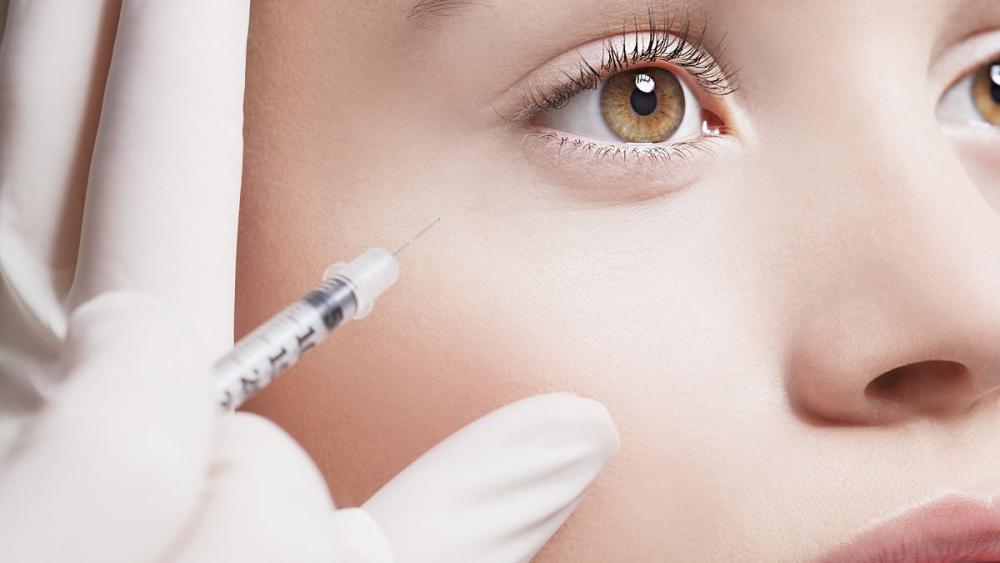
How Can Under Eye Fillers Create a More Rested Look?

The appearance of the under-eye area can strongly influence how fresh, energetic, and youthful a person's face looks. Dark shadows, hollowness, and visible depressions beneath the eyes may create a tired appearance, even when someone feels completely refreshed. These concerns often encourage people to explore options such as Under Eye Fillers in Dubai, particularly when they want to improve the appearance of the delicate area beneath their eyes. Understanding how under-eye fillers relate to facial balance, natural features, and common aesthetic concerns can help explain their appeal.
Connection Between Under-Eye Appearance and Facial Freshness
The under-eye region plays an important role in overall facial expression. Its appearance can influence how others perceive someone's energy and well-being. Several characteristics can contribute to a tired-looking appearance:
-
Noticeable hollowness beneath the lower eyelids.
-
Shadows around the tear trough area.
-
Uneven-looking transitions between the cheeks and lower eyelids.
-
Visible depressions that make the eyes appear less vibrant.
What Makes the Under-Eye Area Look Tired?
A tired appearance beneath the eyes does not always come from insufficient sleep. Natural facial anatomy, inherited characteristics, and age-related changes can also influence this area.
Some individuals naturally have deeper tear troughs, while others notice increasing hollowness as their facial features change. Differences in pigmentation and skin texture may also contribute to a less refreshed appearance. Understanding these characteristics helps distinguish between concerns involving volume, pigmentation, and skin quality.
How Under-Eye Fillers Relate to Facial Balance
Facial harmony depends on how different features complement one another. The under-eye area connects the lower eyelids with the upper cheeks, making it an important part of overall facial balance.
When this region appears hollow or uneven, the transition between the eyes and cheeks may become more noticeable. Under-eye fillers are associated with addressing certain volume-related concerns in this area. A balanced appearance focuses on maintaining natural facial proportions rather than making one feature look noticeably different from the rest.
Why Tear Trough Hollowness Can Influence Facial Expression
The tear trough is the natural indentation extending from the inner corner of the eye toward the cheek. Its visibility varies considerably between individuals. Common characteristics associated with tear trough concerns include:
-
Deep-looking indentations beneath the eyes.
-
Pronounced shadows near the inner eye corners.
-
Uneven contours between the lower eyelids and cheeks.
-
A less smooth-looking under-eye area.
The Relationship Between Under-Eye Volume and Youthful Features
Youthful facial features are often associated with smooth transitions, balanced contours, and natural-looking fullness. The under-eye region contributes to this overall appearance.
Changes in facial volume can make certain indentations more noticeable, affecting how light and shadows appear across the face. This may create a contrast between the lower eyelids and surrounding facial features. Maintaining visual harmony in this region is therefore an important consideration when discussing facial rejuvenation.
Can Under-Eye Fillers Help Address a Hollow Appearance?
Under-eye fillers are commonly associated with volume-related concerns, particularly visible hollowness around the tear troughs. This aesthetic option is relevant to individuals whose tired-looking appearance is influenced by noticeable depressions beneath the eyes.
However, not every under-eye concern is related to volume. Pigmentation, prominent eye bags, skin laxity, and natural anatomical differences may require separate consideration. Recognizing these distinctions is important when understanding the suitability of different aesthetic approaches.
Why Natural-Looking Facial Features Matter
A refreshed appearance does not necessarily mean having completely smooth or dramatically altered facial features. Natural facial characteristics contribute to individuality and expression. A natural-looking appearance generally involves:
-
Maintaining balanced facial proportions.
-
Respecting individual facial anatomy.
-
Avoiding an excessively full-looking under-eye area.
-
Considering the natural contours of the cheeks.
-
Recognizing that facial symmetry is rarely perfect.
How Skin Quality Influences the Under-Eye Appearance
The skin beneath the eyes is delicate and can display changes more visibly than other facial areas. Fine lines, uneven texture, dryness, and pigmentation may influence how refreshed this region appears. Even when hollowness is not particularly noticeable, differences in skin quality can contribute to a tired-looking expression.
Factors that influence the appearance of under-eye skin include hydration, natural skin characteristics, environmental exposure, and age-related changes. It is important to distinguish these concerns from volume-related indentations when exploring aesthetic options.
Who May Be Concerned About Under-Eye Hollowness?
People have different reasons for becoming interested in under-eye aesthetics. Some notice naturally deep tear troughs from an early age, while others become more aware of changes in their facial contours over time. Common concerns include:
-
A naturally sunken appearance beneath the eyes.
-
Visible hollowness near the inner corners.
-
Shadows that create a fatigued expression.
-
Uneven transitions between the eyes and cheeks.
-
Facial contours that appear less balanced.
Difference Between Dark Circles and Hollowness
Dark circles and under-eye hollowness are often discussed together, but they are not necessarily the same concern. Dark circles may be associated with pigmentation, visible blood vessels, or shadows created by facial contours.
Hollowness, on the other hand, refers to an indentation or loss of fullness beneath the eyes. Although both concerns can contribute to a tired appearance, their underlying characteristics differ. Recognizing this distinction helps establish realistic expectations about what volume-focused aesthetic options may address.
Final Thoughts
Under-eye fillers are an aesthetic consideration for individuals concerned about tear trough hollowness and volume-related changes beneath the eyes. Because the under-eye region has such an important relationship with surrounding facial features, its appearance can significantly influence overall facial freshness. Understanding the differences between hollowness, pigmentation, skin texture, and natural anatomical characteristics makes it easier to appreciate the role of under-eye aesthetics.


