








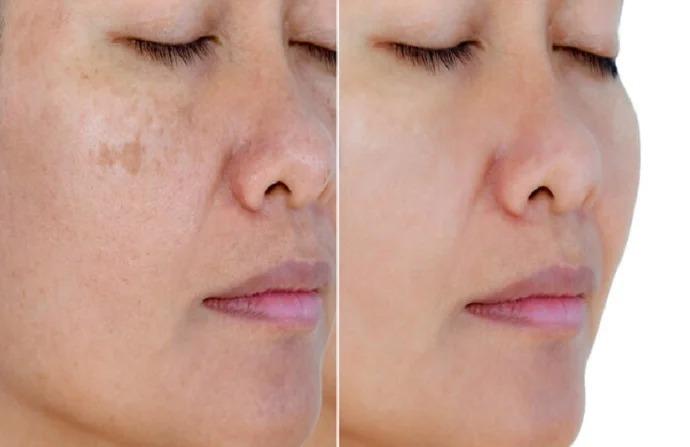
Expert Skin Pigmentation Care in Dubai | Glamorous Clinic Dubai

Healthy-looking skin is often associated with a smooth texture and an even complexion. However, pigmentation concerns such as dark spots, melasma, acne marks, and sun-related discolouration can make the skin tone appear uneven. These changes may develop gradually due to hormonal fluctuations, ultraviolet exposure, inflammation, or natural ageing.
Choosing the right skincare approach begins with understanding the cause of pigmentation. At Glamorous Clinic Dubai, individuals can explore personalised options designed to address different skin concerns. Pigmentation Treatments in Dubai & Abu Dhabi provide an opportunity to learn about suitable approaches for improving the appearance of uneven skin tone.
Understanding Different Types of Skin Pigmentation
Pigmentation does not look the same for everyone. Some concerns appear as small, isolated spots, while others create larger patches across the face or body.
Melasma
Melasma commonly appears as brown or greyish-brown patches on the cheeks, forehead, nose, and upper lip. Hormonal changes, sunlight, and visible light may contribute to its development. It can be persistent and may require long-term management.
Sunspots
Sunspots develop after repeated ultraviolet exposure and commonly appear on the face, hands, shoulders, and arms. They are often flat, brown areas that become more noticeable over time.
Post-Inflammatory Hyperpigmentation
Post-inflammatory hyperpigmentation develops after skin inflammation or injury. Acne, irritation, insect bites, and certain cosmetic procedures may leave darker marks after healing.
Uneven Skin Tone
Uneven skin tone may result from several factors, including sun damage, previous inflammation, and changes in melanin distribution. Different areas of the complexion may appear darker or lighter than the surrounding skin.
What Causes Pigmentation Problems?
Understanding the contributing factors can help guide appropriate skincare and treatment decisions.
-
Sun exposure: Ultraviolet radiation stimulates melanin production and may darken existing spots.
-
Hormonal fluctuations: Changes in hormone levels can contribute to melasma.
-
Acne and inflammation: Healing skin may develop persistent dark marks.
-
Ageing: Previous sun damage and natural skin changes can make pigmentation more visible.
-
Skin irritation: Harsh exfoliation and unsuitable products may trigger inflammation.
-
Certain medications: Some medicines can cause changes in skin pigmentation.
Not every dark or light patch is caused by excess melanin. Some changes may indicate an underlying skin condition, so correct identification is important before cosmetic treatment.
Modern Approaches to Skin Pigmentation Care
The most appropriate option depends on pigmentation type, skin tone, sensitivity, depth, and medical history. A professional assessment helps determine which approach may be suitable.
Laser-Based Pigmentation Treatments
Selected laser technologies target pigment within the skin and may improve certain types of dark spots. The device and settings should be chosen according to individual skin characteristics and the pigmentation being treated.
Laser procedures are not suitable for every concern. Inappropriate treatment may cause burns, irritation, or worsening pigmentation, especially in individuals prone to post-inflammatory dark marks. Melasma also requires careful consideration because it may recur.
Chemical Peels
Chemical peels use selected exfoliating ingredients to remove some outer skin cells and encourage skin renewal. Depending on their formulation and strength, they may help improve superficial pigmentation, acne marks, and uneven texture.
Temporary redness, dryness, peeling, and sensitivity can occur. A suitable peel should be selected according to skin condition and tolerance.
Targeted Skincare Products
Topical skincare can support pigmentation management and improve the appearance of uneven skin tone. Common ingredients include:
-
Vitamin C: Helps improve the appearance of dullness and uneven tone.
-
Niacinamide: Supports the skin barrier and may reduce the appearance of dark spots.
-
Azelaic acid: May help manage certain pigmentation concerns and acne-related marks.
-
Retinoids: Support skin renewal and may improve some forms of discolouration.
-
Other targeted ingredients: Can be selected according to individual skin needs.
Strong active ingredients should be introduced gradually. Using several irritating products together can damage the skin barrier and potentially worsen pigmentation.
How to Maintain a More Even Complexion
Professional procedures are only one part of pigmentation management. Daily skincare habits help protect the skin and reduce the risk of recurring dark patches.
Use Sunscreen Consistently
Apply broad-spectrum SPF 30 or higher sunscreen every morning. Reapply as directed, especially after swimming, sweating, or spending extended periods outdoors. Tinted sunscreen containing iron oxides may provide additional visible-light protection for people prone to melasma.
Follow a Gentle Skincare Routine
Choose a mild cleanser and moisturiser suited to your skin type. Avoid harsh scrubs and products that cause persistent redness, burning, or irritation.
Avoid Picking Acne and Skin Lesions
Picking pimples or scratching irritated areas can increase inflammation and contribute to post-inflammatory pigmentation. Allow the skin to heal and use appropriate skincare.
Follow Professional Aftercare
After a chemical peel or laser procedure, follow the recommended recovery instructions. Avoid using strong active ingredients until the skin has recovered sufficiently.
Why Choose Personalised Pigmentation Care?
Every pigmentation concern has different characteristics. Melasma, sunspots, and acne-related marks may look similar but often require different management strategies.
At Glamorous Clinic Dubai, Pigmentation Treatments in Dubai & Abu Dhabi can be explored according to individual skin concerns and treatment goals. A personalised consultation should consider skin tone, pigmentation depth, sensitivity, previous treatments, and medical history.
This approach helps identify suitable options while setting realistic expectations about improvement, recovery, and the possibility of recurrence.
Frequently Asked Questions
What is the best way to treat skin pigmentation?
The most appropriate approach depends on the underlying cause. Options may include targeted skincare products, chemical peels, or selected laser procedures following professional assessment.
How long does pigmentation take to improve?
Some superficial dark marks may gradually fade over several weeks or months. Melasma and deeper pigmentation can require longer-term management.
Is pigmentation treatment suitable for sensitive skin?
Some treatments may be suitable with careful selection and adjustment. A professional assessment helps identify options that minimise irritation risks.
Can pigmentation return after treatment?
Yes. Sun exposure, hormonal changes, and inflammation may trigger recurring pigmentation. Consistent sun protection and maintenance skincare are important.
Does sunscreen help prevent pigmentation?
Daily broad-spectrum sunscreen helps reduce UV-related pigment stimulation and supports the maintenance of treatment results.
Book Your Skin Consultation at Glamorous Clinic Dubai
Managing pigmentation begins with understanding your skin and choosing an approach that matches its specific needs. Professional procedures, suitable skincare, and consistent sun protection can work together to support a more balanced-looking complexion.
Discover Pigmentation Treatments in Dubai & Abu Dhabi at Glamorous Clinic Dubai. Book a consultation to discuss your concerns, explore available options, and develop a personalised skincare plan for healthier-looking, more even-toned skin.


