








PRP in Islamabad: Planning Facial Therapy Through Individual Skin Assessment

Skin does not age on a schedule, and it does not respond to treatment in a uniform way. Genetics, sun exposure, hormones, stress, sleep, and skincare habits all leave their mark, which is why two people of the same age can have very different needs. Anyone looking into PRP in Islamabad will find that the most successful plans begin with a careful look at the individual skin rather than a standard package offered to everyone. This article explains how platelet-rich plasma works, how a skin assessment shapes the treatment plan, and what to expect from the process.
What Is Platelet-Rich Plasma Therapy?
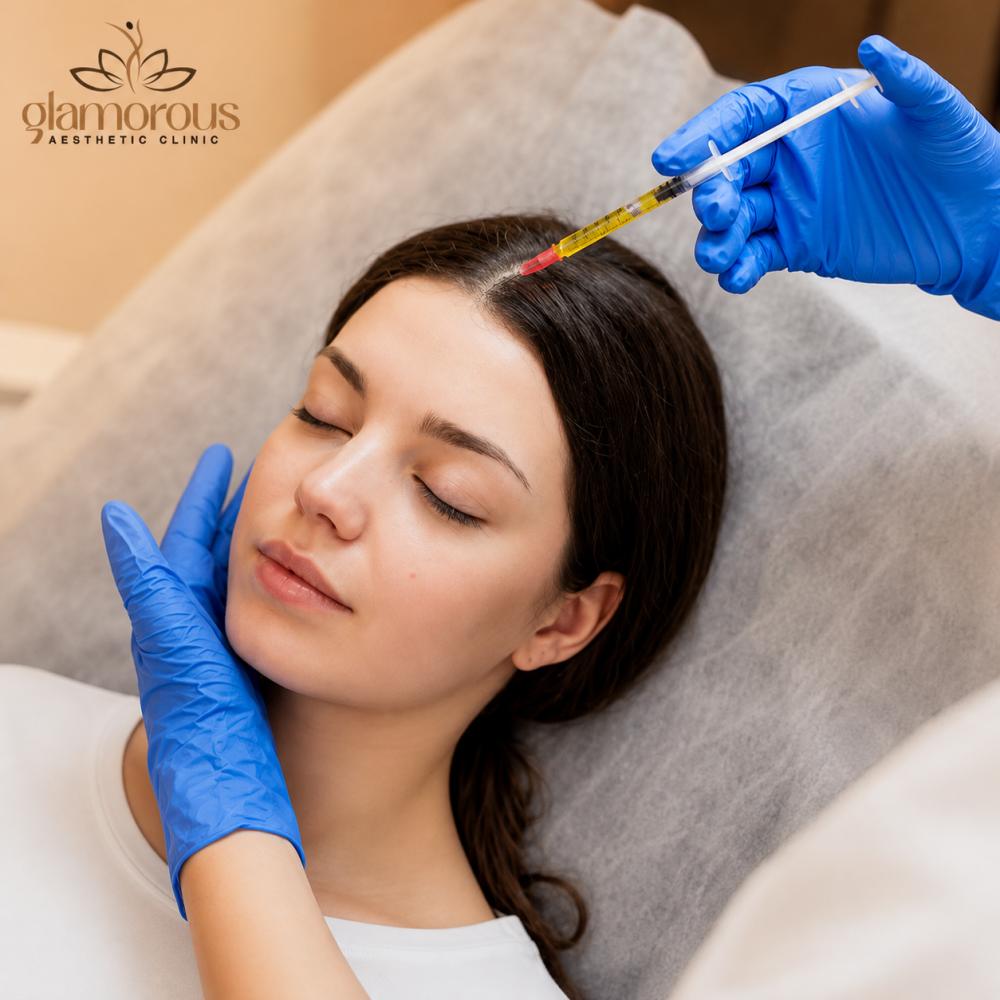
Platelet-rich plasma, commonly called PRP, is a treatment that uses a concentrated portion of your own blood to support skin renewal. A small sample of blood is drawn and placed in a centrifuge, which separates the components. The layer rich in platelets is collected and then applied to the skin through microneedling or injected into targeted areas.Platelets carry growth factors, which are natural signaling proteins involved in healing and tissue repair. When introduced into the skin, they encourage the body to produce collagen, improve circulation, and support the repair of damaged tissue. Because the material comes from your own body, the risk of allergic reaction is low, although no medical treatment is completely free of risk.
Why Individual Skin Assessment Comes First?
A treatment can only be as precise as the information behind it. Skin concerns that look similar on the surface may have very different causes. Dullness might come from dehydration, sun damage, poor sleep, or slowed cell turnover. Fine lines might reflect loss of collagen, repeated facial movement, or dryness. Acne scars can be shallow or deep, rolling or boxed, and each type calls for a different approach.
An assessment allows the practitioner to identify the true cause of each concern, choose the right technique, and decide how many sessions are realistic. It also reveals whether PRP is the best option at all or whether another treatment should come first.
What a Skin Assessment Involves?
A thorough assessment begins with conversation. The practitioner asks about your main concerns, your goals, your daily skincare routine, previous cosmetic treatments, and any history of skin conditions. Medical history matters too, including medications, blood disorders, autoimmune conditions, and tendency to scar.The skin itself is then examined closely. The practitioner looks at tone, texture, pore size, pigmentation, fine lines, elasticity, hydration, and sensitivity. Many clinics use magnified imaging or skin analysis devices to evaluate surface and deeper layers. Photographs are usually taken from several angles to create a baseline for comparing progress.This step also identifies factors that may affect healing, such as active acne, infection, or sunburn, which may require treatment before PRP can begin.
Who May Be a Suitable Candidate?
Healthy adults who want to improve skin quality, texture, or early signs of aging are often suitable candidates. People who prefer a treatment based on their own biological material may also find PRP appealing.Caution is needed for individuals with blood disorders, certain autoimmune conditions, active skin infections, or those taking blood-thinning medications. People who are pregnant, undergoing cancer treatment, or have unrealistic expectations may be advised to wait or consider alternatives. A medical consultation is the only reliable way to determine suitability.
Preparing for Your Session
Preparation improves comfort and results. Practitioners often advise staying well hydrated in the days before treatment and avoiding alcohol and smoking if possible. Certain medications and supplements that thin the blood, such as aspirin, fish oil, and high-dose vitamin E, may need to be paused, but only on medical advice.Avoid sun exposure, waxing, or strong exfoliating products for a few days beforehand. Arrive with clean skin and let the practitioner know about any recent changes in your health or skincare routine.
What Happens on Treatment Day?
The visit begins with a blood draw, similar to a routine blood test. While the sample is processed, a numbing cream is applied to the treatment area to keep you comfortable. The PRP is then prepared and applied through the chosen technique.The entire appointment usually lasts about one hour. Most people describe the sensation as mild pressure or tingling. Redness and slight swelling are common immediately afterward, and the skin may feel tight or look flushed, similar to a mild sunburn.
Recovery and Aftercare
Downtime is generally short. Redness typically settles within a day or two, and some people may notice small pinpoint marks or mild flaking. Gentle cleansing and hydrating products are recommended during this period.For the first day or two, avoid heavy makeup, strenuous exercise, saunas, and harsh active ingredients such as retinoids and strong acids unless your practitioner advises otherwise. Daily sunscreen is essential, because treated skin is more vulnerable to sun damage. Following aftercare instructions protects results and lowers the chance of complications.
Alternatives to Consider
Depending on your skin concerns, other treatments may be more appropriate. Chemical peels address pigmentation and texture, fractional lasers can improve scars and fine lines, and skin boosters improve hydration. Radiofrequency treatments support tightening, while dermal fillers restore lost volume. A quality clinic explains these options honestly and recommends the approach, or combination, that best fits your skin.
Choosing a Reliable Clinic
Look for qualified medical professionals, hygienic facilities, sterile single-use kits, and a clear explanation of the preparation process. Ask about the practitioner’s experience, request realistic before-and-after photographs, and confirm what follow-up care is included. Be cautious of clinics that skip the skin assessment, promise guaranteed results, or pressure you into large packages.
Final Thoughts
PRP therapy can be a valuable way to support skin renewal, but its success depends on planning that begins with a thorough, individual skin assessment. Understanding your skin type, your concerns, and your medical background allows the practitioner to select the right technique, set a sensible schedule, and manage expectations honestly. Results build gradually, and they last longer when supported by sun protection, healthy habits, and consistent skincare. Choose a clinic that values assessment, safety, and transparency over quick promises, and approach the process with patience. When the plan is truly personal, PRP can help your skin look healthier, fresher, and more naturally radiant over time.
Read More :
https://articlescad.com/prp-in-islamabad-building-skin-care-plans-around-personal-aesthetic-goals-406871.html


