








What Are the Signs You Need Periodontal Disease Care?

Periodontal disease is a common oral health condition that affects the gums and supporting structures of the teeth. It often begins with mild inflammation but can gradually develop into a serious problem if left untreated. Many people overlook early symptoms such as bleeding gums, persistent bad breath, and redness, assuming they are temporary. However, seeking professional Periodontal and Gum Disease Treatment in Dubai can help control the infection, protect natural teeth, and maintain long-term oral health. Understanding the available treatment options is the first step toward healthier gums and a confident smile.
Understanding Periodontal Disease and Its Causes
Periodontal disease, commonly known as gum disease, develops when plaque and bacteria accumulate around the teeth and gumline. If plaque is not removed through regular brushing and flossing, it can harden into tartar, creating an environment where harmful bacteria multiply.
Gum disease generally progresses through different stages, each requiring an appropriate level of care.
Gingivitis: The Early Stage
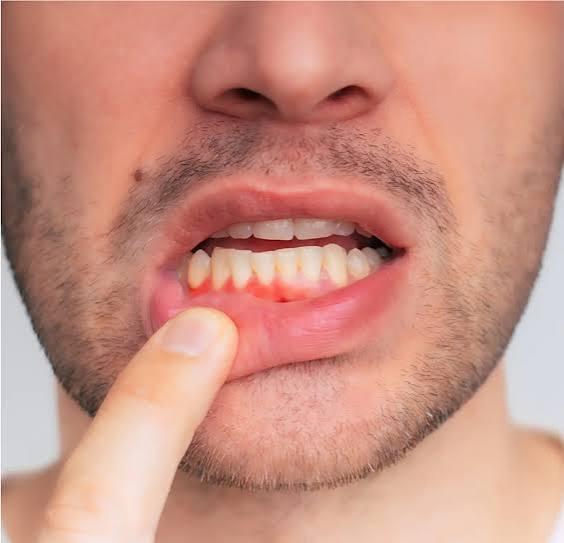
Gingivitis is the mildest form of gum disease. Common symptoms include swollen gums, redness, tenderness, and bleeding during brushing. Fortunately, this stage is usually reversible with professional dental cleaning and improved oral hygiene.
Periodontitis: The Advanced Stage
When gingivitis remains untreated, it can progress into periodontitis. At this stage, the gums begin separating from the teeth, forming pockets where bacteria accumulate. Over time, infection can damage the supporting bone and tissues, potentially leading to loose teeth or tooth loss.
What Are the Best Treatments for Periodontal Disease?
The most suitable treatment depends on the severity of the infection, the condition of the gums, and the amount of damage to the supporting structures. Dental professionals evaluate these factors before recommending a personalized treatment plan.
1. Professional Dental Cleaning
Professional dental cleaning is often the first step in managing early gum disease. During this procedure, a dental professional removes plaque and tartar from the surfaces of the teeth and along the gumline.
This treatment helps reduce bacterial buildup, control inflammation, and improve gum health. Regular cleaning appointments also help prevent gingivitis from developing into a more advanced condition.
2. Scaling and Root Planing
Scaling and root planing is a deep-cleaning procedure commonly recommended for patients with periodontitis.
-
Scaling: Removes plaque and hardened tartar from above and below the gumline.
-
Root Planing: Smooths the tooth roots to help gum tissues reattach and reduce areas where bacteria can accumulate.
This non-surgical treatment can reduce gum pocket depth and improve the overall condition of the gums.
3. Antibiotic Treatment
In certain cases, dental professionals may recommend antibiotics alongside other periodontal treatments. These medications help control harmful bacteria responsible for infection.
Antibiotics may be provided in topical or oral forms, depending on the patient's condition. However, they are not a replacement for professional cleaning or other necessary procedures. Their use should always follow a dental professional's recommendation.
4. Laser Gum Treatment
Laser therapy is another option that may be considered for selected periodontal cases. It uses focused light energy to target infected gum tissues and reduce bacterial contamination.
Depending on the treatment approach, laser procedures may help manage inflammation and support gum healing. Suitability depends on the patient's periodontal condition and the technology available at the dental facility.
Advanced Treatment Options for Severe Gum Disease
When periodontal disease has caused significant damage, basic cleaning may not provide sufficient results. In such situations, additional procedures may be necessary to protect the remaining teeth and supporting structures.
Flap Surgery
Flap surgery is recommended in certain advanced cases where deep gum pockets remain after non-surgical treatment. The gum tissue is carefully lifted to allow better access to the roots and surrounding areas.
After removing accumulated bacteria and tartar, the gum tissue is repositioned to support improved healing and reduce pocket depth.
Bone Grafting
Advanced periodontal disease can destroy the bone supporting natural teeth. Bone grafting may help restore areas affected by bone loss.
The procedure involves placing grafting material in damaged areas to encourage new bone development. The suitability of this treatment depends on the extent and location of bone damage.
Gum Tissue Grafting
When gum recession exposes the roots of teeth, gum tissue grafting may be recommended. This procedure adds tissue to areas where the gums have become thin or receded.
It can help protect exposed roots, reduce sensitivity, and improve the appearance of the gumline.
How Can You Prevent Periodontal Disease?
Although professional treatment is essential, maintaining healthy daily habits plays an equally important role in preventing gum disease from returning.
Consider following these simple practices:
-
Brush your teeth twice daily using a soft-bristled toothbrush.
-
Floss regularly to remove plaque between teeth.
-
Schedule routine dental examinations and professional cleanings.
-
Avoid smoking and tobacco products.
-
Maintain a balanced diet and limit excessive sugary foods.
-
Follow your dentist's recommendations after periodontal treatment.
People with diabetes or other conditions that affect oral health may require additional monitoring to manage their gum health effectively.
Why Early Treatment Makes a Difference
Ignoring gum disease can lead to persistent infections, gum recession, bone loss, and eventually tooth loss. Early diagnosis allows dental professionals to recommend less invasive treatments before the condition becomes more complicated.
Patients seeking professional care should choose a dental facility that offers proper periodontal assessments, modern treatment options, and personalized aftercare guidance. Consistent follow-up appointments are also important for monitoring healing and preventing further damage.
Final Thoughts
Periodontal disease should never be ignored, even when symptoms appear mild. From professional cleaning and scaling to laser therapy and advanced surgical procedures, several treatment options are available to manage different stages of gum disease. The right approach depends on the severity of the condition and individual oral health needs. By recognizing warning signs early, maintaining good hygiene, and seeking professional dental care, patients can protect their natural teeth and enjoy healthier gums for years to come.


