








What Impacts Root Canal Treatment Cost and Quality?

Understanding dental treatment expenses can help you make informed decisions about your oral health. A root canal is a common procedure used to save a tooth affected by infection, deep decay, or damage to the dental pulp. When researching Root Canal treatment Cost in dubai, patients should consider more than the initial treatment fee, including the severity of the infection, the tooth involved, and whether a dental crown is needed afterward. Knowing what influences the total expense can help you plan your treatment confidently without compromising your dental health.
What Is Root Canal Treatment?
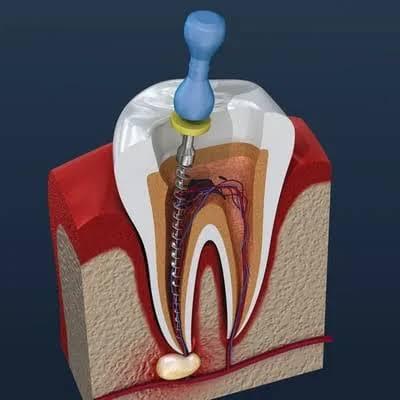
Root canal treatment is a dental procedure that removes infected or inflamed pulp from inside a tooth. The dentist cleans and disinfects the root canals before filling and sealing them to help prevent further infection.
Rather than removing the entire tooth, this procedure aims to preserve its natural structure and function. It can relieve pain, protect surrounding tissues, and allow patients to continue chewing comfortably.
When Is a Root Canal Necessary?
A dentist may recommend treatment if you experience persistent toothache, sensitivity to hot or cold temperatures, swelling around the gums, or pain while biting. Sometimes, an infected tooth causes few noticeable symptoms, making routine dental examinations important.
Early diagnosis can help prevent complications and may reduce the complexity of treatment.
How Much Does Root Canal Treatment Cost in 2026?
The cost of root canal treatment in Dubai varies depending on the clinic, the dentist's assessment, and the condition of the affected tooth. There is no single price that applies to every patient because each case requires an individual treatment plan.
A front tooth usually has a simpler root canal structure than a molar. Molars often have multiple canals and are more difficult to access, which can make treatment more complex.
Factors That Influence the Cost
Several factors can affect the total amount you pay for treatment.
-
Tooth location: Front teeth generally have fewer canals, while premolars and molars may require more extensive work.
-
Infection severity: Advanced infection or complications may require additional procedures.
-
Treatment complexity: Curved, narrow, or unusually shaped canals can make the procedure more challenging.
-
Dental technology: The equipment and techniques used may influence the treatment fee.
-
Dentist's expertise: The experience and qualifications of the treating professional can affect the overall fee structure.
-
Additional restoration: A crown or another suitable restoration may be recommended to protect the treated tooth.
Understanding these factors makes it easier to compare treatment plans rather than choosing a dental service based on price alone.
Does the Type of Tooth Affect Treatment Expenses?
Yes, the type of tooth can influence both the complexity and cost of a root canal procedure.
Front Teeth
Front teeth usually have a single root canal, making treatment relatively straightforward in many cases. However, the final cost still depends on the tooth's condition and any additional treatment required.
Premolars and Molars
Premolars may have one or more canals, while molars commonly contain several. Their position at the back of the mouth can make access more difficult. Consequently, treatment may take longer and require additional expertise.
The dentist will examine the tooth and may take dental X-rays to determine the appropriate approach.
Are Additional Procedures Included in the Price?
One important consideration is whether the quoted fee covers the entire treatment process or only the root canal itself.
Dental Crowns and Final Restoration
After a root canal, the tooth may become more vulnerable to fracture, particularly if substantial natural tooth structure has been lost. A dental crown may be recommended to restore strength and function.
The crown may be charged separately from the root canal procedure. Depending on the condition of the tooth, a filling, core buildup, or another restoration may also be necessary.
Consultation and Diagnostic Imaging
Initial consultations, X-rays, medication, and follow-up appointments may have separate charges. Before proceeding, ask the clinic for an itemized treatment plan that explains which services are included.
How Can You Manage Root Canal Treatment Expenses?
Planning ahead can make dental care easier to manage without delaying necessary treatment.
-
Request a written estimate covering the procedure and any recommended restoration.
-
Ask whether follow-up visits and diagnostic imaging are included.
-
Check whether your dental insurance covers some or all of the treatment.
-
Discuss available payment arrangements with the clinic.
-
Compare treatment plans from qualified dental professionals.
Remember that the cheapest option is not always the most suitable. Proper diagnosis, effective infection control, and an appropriate final restoration are important for long-term results.
Why Should You Avoid Delaying a Root Canal?
Ignoring persistent dental pain can allow an infection to progress. In some cases, the infection may spread into surrounding tissues, potentially requiring more complex treatment.
Early professional assessment may help preserve the natural tooth and reduce the risk of complications. If you experience facial swelling, fever, difficulty swallowing, or rapidly worsening symptoms, seek urgent dental care.
Final Thoughts
The cost of root canal treatment in Dubai in 2026 depends on the tooth involved, the complexity of the procedure, the severity of the infection, and any additional restoration required. A reliable estimate should be based on a professional examination rather than a general price range alone.
If you are experiencing tooth pain or have been advised to undergo treatment, arrange a dental consultation to understand your options. By asking the right questions and addressing problems early, you can protect your natural teeth, make informed financial decisions, and support your long-term oral health.


