








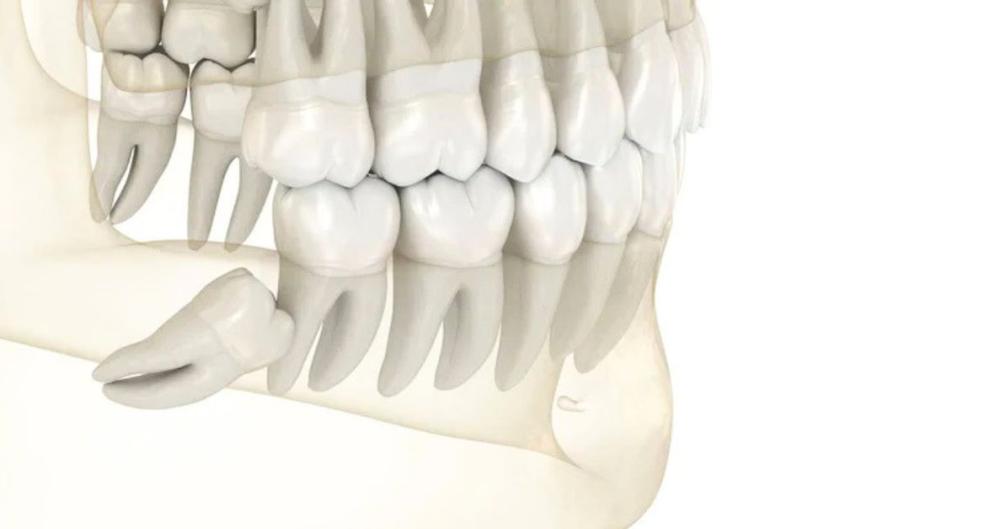
What Are the Risks of Wisdom Tooth Extraction Surgery?

Wisdom tooth extraction is a common dental procedure that can help relieve pain, swelling, and discomfort caused by impacted or overcrowded teeth. However, one of the most common questions patients ask before treatment is how long recovery will take and when they can return to their normal routine. For anyone considering Wisdom Tooth Extraction in dubai, understanding the healing timeline can make the experience less stressful and help them prepare for a comfortable recovery. Although many patients feel significantly better within a few days, complete healing depends on the complexity of the extraction, individual health, and how carefully aftercare instructions are followed.
Understanding the Wisdom Tooth Extraction Recovery Timeline
Recovery after wisdom tooth removal happens gradually. Some patients experience only mild discomfort, while others need additional time because their wisdom teeth are impacted or require surgical removal.
The First 24 Hours After Extraction
The first day is important for protecting the extraction site and allowing a blood clot to form. This clot acts as a natural protective layer over the underlying bone and nerves. Mild bleeding, swelling, and discomfort are normal during this period.
Patients should rest, avoid strenuous activity, and follow their dentist's instructions. Applying a cold compress externally can help reduce swelling. It is also important to avoid using straws, smoking, forceful spitting, or vigorous rinsing because these actions may dislodge the blood clot.
Days Two to Three
Swelling and jaw stiffness often become more noticeable during the first 48 to 72 hours. Some patients may find it difficult to open their mouths fully or chew comfortably. These symptoms are generally part of the normal healing process.
Soft foods such as yogurt, mashed potatoes, scrambled eggs, and lukewarm soup can make eating easier. Patients should continue taking prescribed medication as directed and maintain gentle oral hygiene without disturbing the surgical area.
Days Four to Seven
By the fourth day, many patients begin noticing a clear improvement in pain and swelling. Jaw movement may become easier, and everyday activities often feel more manageable.
However, recovery varies from person to person. A complicated surgical extraction may cause symptoms to last longer than a straightforward removal. Patients should continue following aftercare recommendations even when they begin feeling better.
How Long Does Complete Healing Take?
Although initial recovery is relatively quick, the extraction site needs additional time to heal completely.
Soft Tissue Healing
The gums generally begin closing over the extraction site within one to two weeks. During this period, tenderness should gradually decrease, and eating and speaking should become more comfortable.
The exact timeline depends on the size of the extraction site and whether the tooth was fully erupted or impacted.
Bone Healing
The bone beneath the gums takes considerably longer to heal. Deeper healing and bone remodeling may continue for several weeks to a few months. This does not usually prevent patients from returning to normal activities once their initial recovery is complete.
Your dentist can assess the extraction site during a follow-up appointment and determine whether healing is progressing as expected.
Factors That Affect Wisdom Tooth Recovery
Not everyone experiences the same recovery timeline. Several factors can influence how quickly the mouth heals.
Complexity of the Extraction
Removing a fully erupted wisdom tooth may involve less tissue disruption than removing an impacted tooth trapped beneath the gums or bone. Surgical procedures may therefore require additional recovery time.
Individual Health and Oral Hygiene
General health, existing dental conditions, smoking, and oral hygiene habits can affect healing. Keeping the mouth clean while protecting the extraction site helps reduce the risk of infection and other complications.
Following Aftercare Instructions
Resting, eating suitable foods, avoiding smoking, and taking medications according to professional guidance can support recovery. Ignoring these recommendations may increase discomfort or delay healing.
Practical Tips for a Comfortable Recovery
Patients can take several simple steps to make the healing process easier.
-
Choose soft foods: Eat foods that require minimal chewing, and gradually return to your regular diet as comfort improves.
-
Stay hydrated: Drink plenty of water, but avoid straws during the initial recovery period.
-
Maintain gentle oral hygiene: Brush carefully around the extraction site and follow your dentist's instructions about saltwater rinses.
-
Avoid strenuous exercise: Rest during the first few days and resume physical activity gradually.
-
Attend follow-up appointments: Dental reviews help identify healing problems before they become more serious.
These measures can improve comfort and help patients return to their usual routine safely.
When Should You Contact Your Dentist?
Some discomfort is expected after wisdom tooth removal, but symptoms that worsen instead of improving require attention. Contact your dentist if you develop increasing pain several days after extraction, persistent or heavy bleeding, fever, pus, or swelling that continues to worsen.
Severe pain that radiates toward the ear and develops a few days after extraction may indicate dry socket, a condition in which the protective blood clot is lost or breaks down prematurely. Prompt dental assessment can help manage the problem.
Difficulty breathing or swallowing, or rapidly increasing swelling around the mouth or neck, requires emergency medical attention.
Final Thoughts
So, how long does wisdom tooth extraction recovery take? Most patients begin feeling better within three to seven days, while gum healing often takes one to two weeks. Complete healing beneath the gums can continue for several months.
The best recovery plan depends on the complexity of the procedure and your individual needs. By following professional aftercare instructions, maintaining good oral hygiene, and recognizing warning signs, you can support a smoother healing process and return to everyday activities with greater confidence. If you are preparing for wisdom tooth removal, discussing your expected recovery timeline with your dentist can help you plan ahead and understand what to expect at every stage.


