








How to Do the Frog Pose: A Complete Guide for Beginners

Yoga includes many postures that help improve flexibility, mobility, balance, strength, and body awareness. Among the deeper hip-opening poses, Frog Pose is a popular choice for practitioners who want to work on the inner thighs, hips, and groin. However, because the posture can create an intense stretch, it is important to approach it gradually and with proper alignment. Learning how to do the frog pose correctly can help you practice with greater confidence while respecting your body's individual limitations.
What Is Frog Pose?
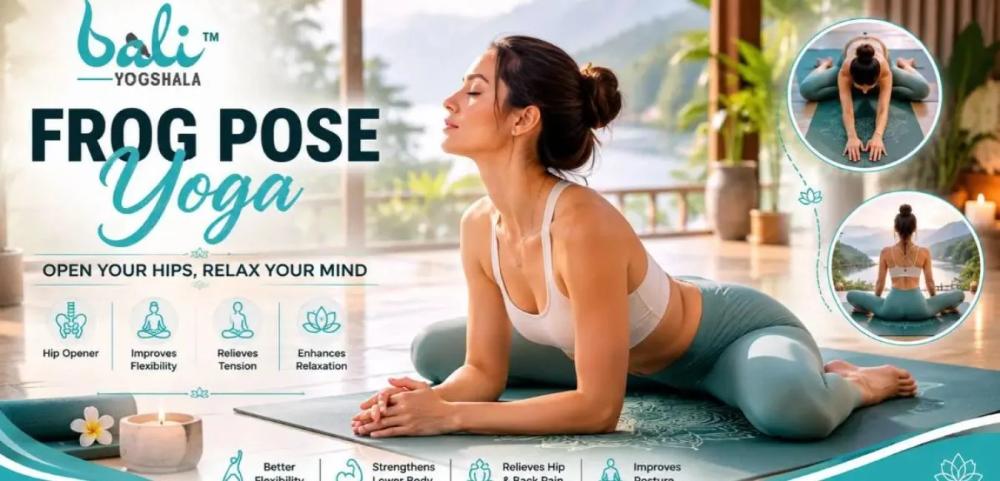
Frog Pose is a deep hip-opening yoga posture commonly practiced from a tabletop position. The knees are gradually moved outward while the lower legs and feet are positioned comfortably, creating a stretch through the inner thighs and groin. Depending on the yoga tradition and variation, the exact positioning may differ.
The posture is often included in flexibility-focused practices and slower yoga sequences. It can be especially useful for practitioners who spend considerable time sitting or participating in activities that create tightness in the hips and legs.
Before learning how to do the frog pose, it is important to understand that the deepest version of the posture is not necessarily the goal. Yoga encourages awareness and gradual progress. Every person's anatomy and flexibility are different, so the pose may look different from one practitioner to another.
Benefits of Practicing Frog Pose
Frog Pose primarily targets the inner thighs, hips, and groin. When practiced carefully, it can support greater flexibility and mobility in these areas. Improved hip mobility can make other yoga postures and everyday movements feel more comfortable.
Another benefit is increased body awareness. Frog Pose requires practitioners to pay attention to the position of their knees, ankles, hips, spine, and shoulders. This attention encourages mindful movement and helps practitioners understand their physical limitations.
The posture can also encourage relaxation when combined with slow breathing. Remaining calm during a deep stretch can teach patience and help practitioners develop greater awareness of physical sensations.
Regular flexibility work may also complement activities such as dancing, running, strength training, and other forms of movement. However, Frog Pose should be considered part of a balanced practice rather than a replacement for comprehensive strength or mobility training.
How to Do the Frog Pose Step by Step
Learning how to do the frog pose starts with proper preparation. Never attempt the deepest version of the posture when the body is cold.
Step 1: Warm Up Your Body
Begin with several minutes of gentle movement. Cat-Cow, hip circles, low lunges, child's pose, and gentle butterfly stretches can help prepare the hips and inner thighs.
The purpose of the warm-up is to gradually increase movement and awareness rather than aggressively stretching the muscles.
Step 2: Start in Tabletop Position
Come onto your hands and knees. Place your hands underneath or slightly in front of your shoulders and position your knees underneath your hips.
Take a few slow breaths and establish a comfortable starting position.
Step 3: Gradually Move Your Knees Apart
Slowly begin moving your knees outward. Do not force them into a wide position immediately. Move only as far as you can while maintaining control and avoiding pain.
As your knees move apart, pay attention to the sensation in your inner thighs and groin.
Step 4: Adjust Your Feet and Ankles
Depending on your chosen variation, position your feet and ankles comfortably behind your knees. Keep your movements controlled and avoid twisting the joints.
Your goal should be to create an even, manageable stretch rather than pushing toward the floor.
Step 5: Lower Toward Your Forearms
Once your knees are positioned comfortably, you may gradually lower your upper body toward the floor. You can come onto your forearms if this feels comfortable.
Keep your breathing slow and steady. If lowering down creates excessive pressure or discomfort, remain higher and use your hands for support.
Step 6: Maintain the Pose
Stay in the posture for a comfortable amount of time while breathing naturally. Focus on relaxing unnecessary tension in the shoulders, face, and jaw.
Rather than trying to force the hips closer to the floor, allow the body to gradually adapt to the position.
Step 7: Come Out Slowly
When you are ready to release the pose, move carefully. Bring your knees back toward the center and return to a comfortable tabletop or child's pose position.
Avoid suddenly pulling the legs together after a deep stretch.
Breathing During Frog Pose
Breathing is an essential part of learning how to do the frog pose. When a posture feels intense, practitioners may instinctively hold their breath or tense their muscles. Instead, try to maintain slow and steady breathing.
Inhale gently through the nose and allow the abdomen and ribs to expand naturally. Exhale slowly and consciously release unnecessary tension. The breath can help you remain present and recognize when the stretch becomes too intense.
If you cannot breathe comfortably, consider reducing the depth of the pose or coming out completely.
Common Mistakes to Avoid
Understanding how to do the frog pose also means knowing what not to do. One of the most common mistakes is moving the knees too far apart too quickly. This can create excessive stress around the hips and knees.
Another mistake is focusing entirely on achieving a visually impressive position. Yoga is not a competition, and flexibility varies considerably between individuals. The safest practice is one that respects your anatomy and current range of motion.
Avoid forcing the body into the posture or bouncing while stretching. Slow, controlled movements are generally more appropriate for a deep flexibility practice.
Practitioners should also avoid ignoring pain. A mild stretching sensation may be normal, but sharp, pinching, burning, or sudden pain should not be pushed through.
Using Props for Support
Yoga props can make Frog Pose more comfortable and accessible. A folded blanket or yoga mat can provide cushioning beneath the knees. If the floor feels uncomfortable, additional padding can help reduce pressure.
A bolster or cushion can also be placed underneath the chest or abdomen if lowering toward the floor feels too challenging. These modifications allow practitioners to explore the posture without forcing their body into a deeper position.
Props are particularly useful for beginners because they can help create stability while flexibility gradually develops.
Preparatory Poses for Frog Pose
Before practicing Frog Pose, several gentle postures can help prepare the relevant muscle groups. Butterfly Pose can introduce a mild inner-thigh stretch, while low lunges can help prepare the hip flexors.
Other useful movements include:
- Cat-Cow
- Gentle hip circles
- Child's Pose
- Butterfly Pose
- Low Lunge
- Wide-Legged Forward Fold
- Supported hip-opening stretches
A gradual sequence gives the body time to warm up before attempting a deeper posture.
How Long Should You Hold Frog Pose?
There is no universal amount of time that every practitioner should hold Frog Pose. Beginners can start with a short period and gradually increase duration as they become more comfortable.
The quality of the posture matters more than the length of the hold. If you are struggling to breathe, experiencing pain, or losing alignment, it is better to release the pose than to remain in it simply to reach a particular time goal.
Experienced practitioners may stay longer when the posture feels stable and comfortable, but deeper or longer holds are not automatically more beneficial.
Frog Pose for Beginners
If you are new to yoga, learning how to do the frog pose should begin with a gentle variation. You do not need to place your knees extremely wide or lower your body completely to the floor.
Start with a smaller range of motion and focus on comfortable breathing. You can gradually explore greater mobility as your body adapts.
Beginners may also benefit from practicing Frog Pose under the guidance of a qualified yoga instructor. A teacher can help identify alignment issues, suggest modifications, and recommend preparatory movements based on individual needs.
Safety and Precautions
Although Frog Pose can be beneficial, it is an intense hip-opening posture and may not be appropriate for everyone. Practitioners with current or previous injuries involving the knees, hips, groin, or lower back should use particular caution.
Anyone experiencing pain during the posture should stop and reassess their position. If you have a medical condition or significant physical limitation, consider consulting an appropriate healthcare professional before beginning an intense stretching routine.
Always prioritize controlled movement, comfortable breathing, and proper preparation over achieving the deepest possible position.
How to Progress Your Practice
Progress in Frog Pose should happen gradually. Instead of attempting to increase the depth every session, focus on consistency and body awareness.
You may notice that your hips feel more comfortable over time or that you can move your knees slightly farther apart without discomfort. These small changes represent meaningful progress.
Combining Frog Pose with strengthening exercises can also provide a more balanced approach to mobility. Flexibility and strength work together to support healthy movement.
Incorporating Frog Pose into a Yoga Routine
Frog Pose can be included in a longer hip-opening or flexibility sequence after the body has been adequately warmed up. It may work well toward the middle or later portion of a practice when the hips and inner thighs are already prepared.
After practicing the pose, gentle counterposes can help the body transition back to a neutral position. Child's Pose or a comfortable seated posture may provide a relaxing transition.
The goal is to create a balanced practice rather than focusing exclusively on one posture.
Final Thoughts
Learning how to do the frog pose is not simply about achieving a deep stretch. It is about developing greater awareness, patience, flexibility, and respect for your body's natural range of motion. Frog Pose can be a valuable addition to a yoga routine when approached gradually and mindfully.
Start with a thorough warm-up, move slowly, use props when necessary, and maintain steady breathing throughout the practice. Most importantly, avoid comparing your posture with anyone else's. Yoga is a personal journey, and meaningful progress comes from consistent practice rather than forcing the body into a particular shape.
With patience and proper technique, Frog Pose can become a useful part of a balanced yoga practice focused on mobility, mindfulness, and overall well-being.


