








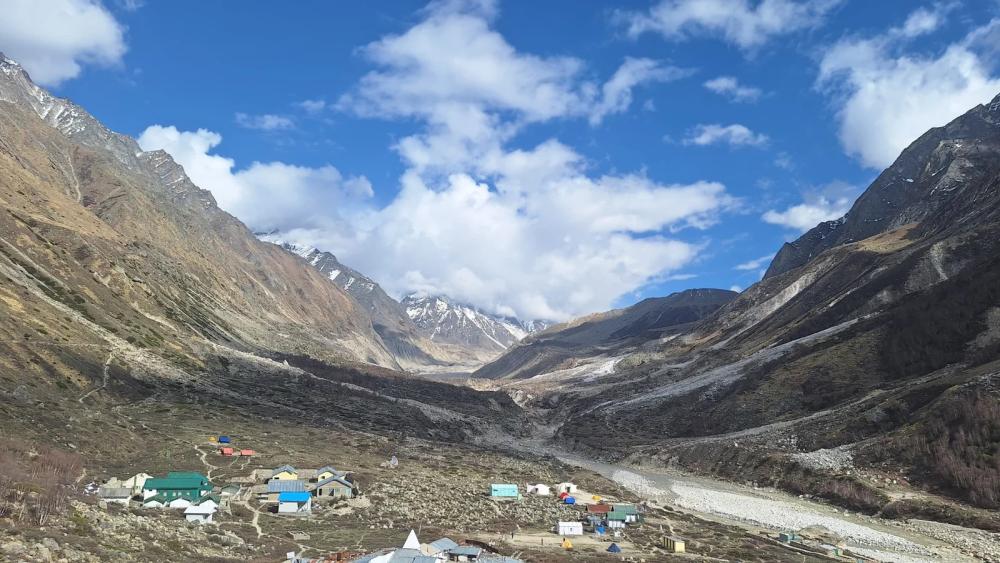
Mt Satopanth Peak in Uttarakhand: A Complete Guide to the Himalayan Expedition

Mt Satopanth Peak in Uttarakhand is one of the most impressive high-altitude mountains in the Indian Himalayas. Located in the Garhwal region, the peak attracts experienced mountaineers who are looking for a challenging expedition surrounded by dramatic landscapes, glaciers, and some of the most beautiful Himalayan scenery. With its snow-covered slopes, rugged terrain, and demanding climbing conditions, Satopanth offers a serious mountaineering experience rather than an ordinary trekking adventure.
Introduction to Mt Satopanth Peak
Mt Satopanth Peak stands at an elevation of approximately 7,084 meters and is situated in the Gangotri-Badrinath region of Uttarakhand. The mountain is part of the Greater Himalayan range and is surrounded by spectacular peaks, glaciers, and high-altitude valleys. The name Satopanth is also associated with the famous Satopanth Tal, a high-altitude lake located in the region.
The mountain is known for its steep slopes, snowfields, crevassed glacier sections, and unpredictable Himalayan weather. Because of these conditions, an expedition to the summit requires good physical fitness, technical climbing skills, previous high-altitude experience, and careful preparation.
Location and Natural Beauty
Mt Satopanth Peak in Uttarakhand is located near the Badrinath area of Chamoli district. The approach to the mountain takes climbers through beautiful Himalayan landscapes where the environment changes gradually from green valleys and forests to rocky terrain, glaciers, and permanent snow.
The region is known for magnificent views of several major Himalayan peaks. During the approach journey, climbers can experience peaceful mountain villages, alpine landscapes, glacial streams, and vast snow-covered surroundings. As the expedition progresses toward higher elevations, vegetation becomes sparse and the landscape becomes increasingly rugged.
The natural beauty of the region is one of the major attractions of the expedition. However, climbers must always remember that the high-altitude environment can be demanding and conditions can change rapidly.
Why Climb Satopanth Peak?
For experienced mountaineers, Satopanth provides an opportunity to test their endurance, technical skills, and ability to operate in a high-altitude environment. The mountain combines challenging climbing sections with a spectacular Himalayan setting.
One of the reasons climbers choose this peak is the opportunity to experience different aspects of mountaineering. The expedition may involve glacier travel, snow climbing, rope techniques, fixed-line sections, and high-altitude camp management. Every stage requires concentration and discipline.
The summit journey can also be deeply rewarding because climbers have to overcome physical fatigue, cold temperatures, steep terrain, and altitude-related challenges. Reaching the summit after successfully completing the expedition can become a memorable achievement.
Best Season for the Expedition
Choosing the right season is extremely important for a high-altitude expedition. The Himalayan weather can change quickly, and heavy snowfall, strong winds, poor visibility, and avalanches can affect climbing conditions.
The pre-monsoon and post-monsoon seasons are generally considered important climbing periods in the Indian Himalayas, although the exact suitability depends on current weather, snow conditions, route status, and local regulations.
Before planning an expedition, climbers should check the latest mountain conditions and obtain guidance from experienced expedition organizers. A flexible schedule is also useful because summit attempts may need to be adjusted according to weather and route conditions.
Approach to Mt Satopanth Peak
The journey to the mountain usually begins with travel toward the Badrinath region. From the roadhead, climbers gradually move into the high Himalayan environment.
The approach trek is an important part of the expedition because it provides an opportunity for acclimatization. Rather than gaining altitude too quickly, climbers generally follow a gradual progression that allows the body to adapt to reduced oxygen levels.
As the team moves higher, the scenery changes dramatically. Forested landscapes give way to alpine meadows, rocky valleys, glaciers, and snow-covered terrain. The approach itself can be physically demanding because of uneven trails, river crossings, steep ascents, and changing weather.
Acclimatization and High-Altitude Preparation
Acclimatization is one of the most important aspects of Mt Satopanth Peak in Uttarakhand expeditions. At high altitude, the air contains less available oxygen, making physical activity more difficult. Climbers need time to adapt before attempting higher camps and the summit.
A well-planned expedition normally includes acclimatization days and gradual altitude gain. During these periods, climbers may undertake short hikes around the camp before returning to a lower sleeping altitude.
Proper hydration, nutrition, rest, and awareness of altitude-related symptoms are essential. Climbers should communicate openly with their expedition leaders if they experience unusual headaches, dizziness, nausea, extreme fatigue, breathing difficulties, or other concerning symptoms.
Camps During the Expedition
High-altitude expeditions generally involve establishing several camps between the base area and the summit. Each camp serves as a temporary resting and acclimatization point.
The base camp provides an important location for organizing equipment, conducting briefings, and preparing for the higher stages of the climb. Higher camps are more basic and are exposed to colder temperatures, stronger winds, and harsher conditions.
The exact number and location of camps can vary depending on the selected route, current glacier conditions, weather, climbing strategy, and expedition organizer. Climbers should therefore consider an itinerary as a flexible plan rather than a fixed schedule.
Climbing Challenges
Satopanth is not considered an easy mountain. The expedition can involve several technical and environmental challenges. Snow and ice conditions may change throughout the season, while crevasses can create hazards on glaciated sections.
Steep snow slopes may require the use of crampons, ice axes, ropes, and other technical equipment. Climbers may also need to travel across exposed terrain where careful movement is essential.
Altitude is another major challenge. At elevations above 7,000 meters, the environment becomes extremely demanding. Cold temperatures, low oxygen availability, strong winds, and physical exhaustion can significantly affect performance.
For this reason, previous mountaineering experience is highly valuable. Participants should not treat the expedition as a beginner-level trek.
Physical Fitness Requirements
Good physical conditioning is essential before attempting Mt Satopanth Peak. Climbers should prepare several months in advance with a structured training program.
Endurance training can include long-distance walking, running, cycling, stair climbing, and hiking with a backpack. Strength training should focus on the legs, core, shoulders, and back because these muscle groups are heavily involved during long mountain days.
Training should also include regular hikes at increasing distances and elevations whenever possible. The goal is to develop stamina and the ability to remain active for several hours in challenging terrain.
Mental preparation is equally important. High-altitude climbing can involve long periods of cold, fatigue, uncertainty, and waiting for suitable weather. Patience and discipline are essential qualities for a successful expedition.
Essential Equipment
A high-altitude climbing expedition requires specialized equipment. Climbers should carefully prepare their gear before departure and ensure that all equipment is suitable for the expected conditions.
Important equipment may include mountaineering boots, crampons, an ice axe, climbing harness, helmet, ropes, carabiners, ascender and descender systems, warm layered clothing, gloves, goggles, a sleeping bag suitable for extreme temperatures, a high-quality backpack, headlamp, and personal first-aid supplies.
Technical equipment requirements can vary according to the route and expedition strategy. Climbers should always follow the recommendations of their qualified expedition leader.
Food and Hydration
Nutrition plays an important role during a long Himalayan expedition. Climbers require sufficient calories to maintain energy in cold and physically demanding conditions.
Expedition meals generally focus on carbohydrates, proteins, healthy fats, and warm fluids. Hydration is particularly important because dehydration can increase fatigue and make altitude adjustment more difficult.
Climbers should carry personal snacks such as energy bars, nuts, dried fruits, chocolates, or other lightweight foods that can provide quick energy during climbing days.
Weather Conditions
Weather is one of the biggest factors affecting a Satopanth expedition. Himalayan weather can change suddenly, especially at higher elevations. Clear conditions can quickly turn into strong winds, snowfall, or poor visibility.
A successful summit attempt depends heavily on finding a suitable weather window. Even when climbers are physically prepared, the summit may need to be postponed if conditions become unsafe.
Experienced expedition teams monitor weather forecasts and mountain conditions before making decisions about movement between camps or attempting the summit.
Safety Considerations
Safety should always be the first priority on a high-altitude expedition. Climbers should follow the instructions of experienced guides, climbing leaders, and support teams.
Important safety practices include gradual acclimatization, maintaining communication with the team, checking technical equipment, staying together on hazardous sections, using ropes correctly, and avoiding unnecessary risks.
Climbers should also understand that reaching the summit is never more important than returning safely. If weather, health, or route conditions become dangerous, turning around is a responsible mountaineering decision.
Environmental Responsibility
The Himalayan environment is fragile and requires responsible tourism practices. Climbers should avoid littering and should carry waste back from camps whenever possible.
Expedition teams should minimize environmental impact, respect local communities and traditions, and follow regulations established by the relevant authorities.
Responsible mountaineering helps preserve the beauty of the region for future generations of climbers and trekkers.
Who Should Attempt Satopanth Peak?
Mt Satopanth Peak in Uttarakhand is best suited to experienced mountaineers who have already completed high-altitude trekking or climbing objectives. Previous experience with snow, ice, glacier travel, crampons, ropes, and basic mountaineering techniques can be extremely valuable.
Beginners should first develop their skills through suitable mountaineering courses and lower-altitude objectives before considering a peak of this difficulty.
A medical fitness assessment and consultation with a qualified professional can also help climbers understand whether they are prepared for a demanding high-altitude environment.
Final Thoughts
Mt Satopanth Peak in Uttarakhand offers a challenging and rewarding Himalayan mountaineering experience. From the scenic approach through the Garhwal Himalayas to the demanding snow and glacier sections near the summit, every stage of the journey requires preparation, patience, teamwork, and respect for the mountain.
The combination of high-altitude climbing, spectacular landscapes, technical challenges, and a remote Himalayan environment makes Satopanth an appealing objective for experienced climbers. With proper acclimatization, physical training, suitable equipment, experienced leadership, and careful attention to weather and safety, an expedition to this remarkable peak can become a memorable achievement in a mountaineer's journey.


