








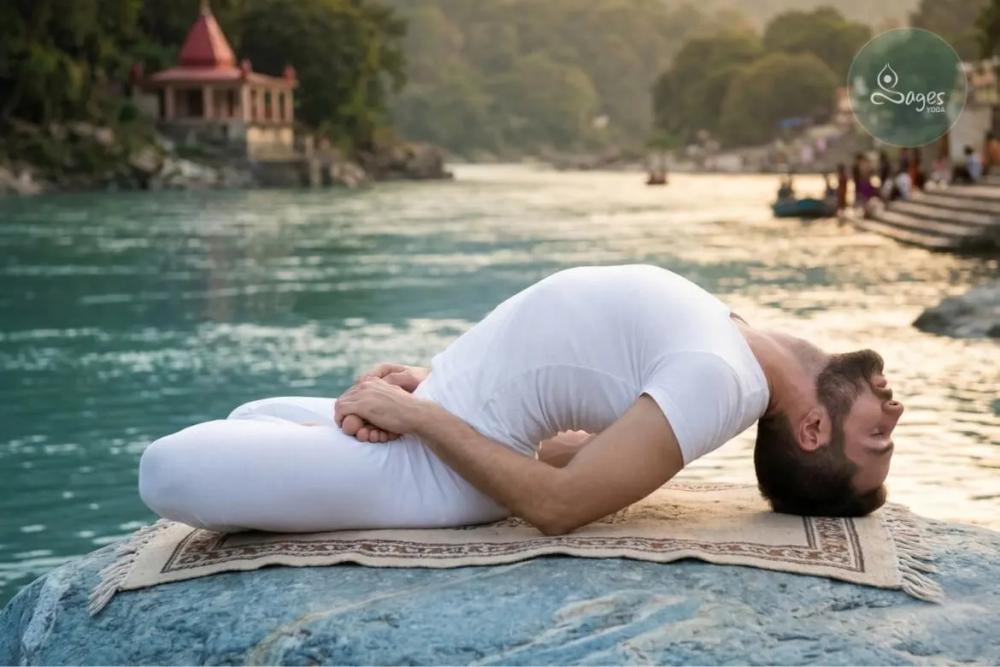
What Is Matsyasana? A Complete Guide to the Fish Pose in Yoga

Yoga is an ancient practice that connects the body, mind, and breath through a series of postures and mindful awareness. Among the many asanas practiced in yoga, Matsyasana, commonly known as the Fish Pose, holds a special place due to its powerful physical and mental benefits. If you’ve ever wondered what is Matsyasana, this comprehensive guide will help you understand everything—from its meaning and technique to its benefits and precautions.
What Is Matsyasana?
To begin with, let’s clearly understand what is Matsyasana. The word Matsyasana is derived from the Sanskrit words “Matsya” meaning fish and “Asana” meaning posture or pose. Therefore, Matsyasana translates to “Fish Pose.”
This pose resembles a fish floating gracefully in water, symbolizing lightness, flexibility, and freedom. In traditional yogic texts, Matsyasana is often practiced as a counterpose to Shoulder Stand (Sarvangasana) because it stretches the chest and neck in the opposite direction.
Historical and Yogic Significance
In ancient yogic traditions, Matsyasana is associated with the story of Lord Vishnu’s first incarnation, Matsya (the fish). This symbolic connection represents survival, transformation, and adaptability. Practicing this pose is believed to help practitioners stay afloat during emotional or physical challenges—just like a fish effortlessly moves through water.
Understanding what is Matsyasana also involves recognizing its spiritual aspect. This pose is linked to the Vishuddha (Throat Chakra) and Anahata (Heart Chakra), helping to open communication channels and emotional expression.
How to Perform Matsyasana (Step-by-Step Guide)
Learning the correct technique is essential to fully experience the benefits of this asana.
Step 1: Starting Position
- Lie flat on your back on a yoga mat.
- Keep your legs together and hands resting beside your body.
Step 2: Position Your Hands
- Slide your hands underneath your hips, palms facing down.
- Keep your elbows close to your body.
Step 3: Lift the Chest
- Press your elbows into the ground.
- Inhale deeply and lift your chest upward.
Step 4: Tilt the Head Back
- Gently drop your head backward.
- The crown of your head should lightly touch the floor.
Step 5: Hold the Pose
- Keep your chest lifted and breathe deeply.
- Hold for 15–30 seconds (or longer with practice).
Step 6: Release the Pose
- Press into your elbows and lift your head slightly.
- Lower your chest and remove your hands from under your hips.
- Relax completely.
Breathing Technique in Matsyasana
Breathing plays a vital role in yoga. While practicing Matsyasana:
- Inhale deeply while lifting the chest.
- Maintain slow, steady breathing while holding the pose.
- Exhale gently while releasing.
This conscious breathing enhances lung capacity and promotes relaxation.
Benefits of Matsyasana
To truly understand what is Matsyasana, it’s important to explore its wide range of benefits.
1. Improves Posture
Matsyasana stretches the chest, shoulders, and neck, helping to correct poor posture caused by long hours of sitting.
2. Expands Lung Capacity
This pose opens the chest and allows deeper breathing, making it beneficial for people with respiratory issues.
3. Stimulates Thyroid Gland
The neck stretch activates the thyroid and parathyroid glands, supporting hormonal balance.
4. Relieves Stress and Anxiety
The gentle backbend calms the mind and reduces tension, promoting emotional well-being.
5. Strengthens Upper Body
Matsyasana strengthens the upper back, neck, and core muscles.
6. Improves Digestion
By stretching the abdominal area, this pose stimulates digestive organs and improves metabolism.
7. Enhances Flexibility
Regular practice increases flexibility in the spine and hips.
Who Should Practice Matsyasana?
Matsyasana is suitable for:
- Beginners (with proper guidance)
- Office workers with poor posture
- Individuals seeking stress relief
- Yoga practitioners looking to balance backbends
However, understanding what is Matsyasana also means knowing whether it’s right for your body.
Precautions and Contraindications
While Matsyasana offers many benefits, it should be practiced with care.
Avoid or modify this pose if you have:
- Neck injuries
- Lower back pain
- High or low blood pressure
- Migraine issues
- Recent surgery
Always consult a yoga instructor or healthcare professional if you are unsure.
Common Mistakes to Avoid
When learning what is Matsyasana, beginners often make these mistakes:
- Putting too much weight on the head instead of the elbows
- Overarching the lower back, causing discomfort
- Holding the breath, which reduces effectiveness
- Forcing the pose, leading to strain
Practicing mindfully helps avoid these errors.
Variations of Matsyasana
To suit different levels of flexibility, Matsyasana can be modified:
1. Beginner Variation
- Keep legs bent with feet flat on the floor.
- This reduces strain on the lower back.
2. Advanced Variation
- Extend arms overhead or hold the toes.
- Deepens the stretch and increases intensity.
3. Supported Matsyasana
- Use a yoga block or cushion under the back.
- Ideal for restorative practice.
Matsyasana in Modern Yoga Practice
In modern yoga routines, Matsyasana is often included in:
- Backbend sequences
- Heart-opening flows
- Relaxation sessions
Understanding what is Matsyasana in today’s context means recognizing its role in counterbalancing forward-bending postures commonly practiced in daily life.
Tips for Beginners
If you’re new to yoga and wondering what is Matsyasana, these tips will help:
- Warm up before attempting the pose
- Use props like cushions for support
- Practice on a soft surface
- Focus on slow breathing
- Don’t rush—progress gradually
Consistency is key to mastering this asana.
Mental and Emotional Benefits
Beyond physical advantages, Matsyasana has a profound impact on mental health:
- Promotes emotional openness
- Reduces fatigue and mild depression
- Enhances focus and clarity
- Encourages mindfulness
This makes it not just a physical posture but a holistic practice.
Matsyasana and Chakra Activation
Matsyasana is particularly effective in activating:
Throat Chakra (Vishuddha)
- Improves communication and expression
Heart Chakra (Anahata)
- Encourages compassion and emotional balance
Practicing Matsyasana regularly can help align these energy centers.
Conclusion
So, what is Matsyasana? It is much more than just a yoga pose. Matsyasana, or the Fish Pose, is a powerful asana that combines physical strength, flexibility, and emotional balance. It opens the chest, strengthens the body, and calms the mind, making it an essential part of any yoga practice.
Whether you are a beginner or an experienced practitioner, incorporating Matsyasana into your routine can bring significant improvements to your overall well-being. By practicing regularly and mindfully, you can unlock the full potential of this ancient posture.
Remember, yoga is not about perfection—it’s about progress, awareness, and connection. Matsyasana beautifully embodies all these principles, guiding you toward a healthier and more balanced life.


